








 FR
FR  EN
EN  ES
ES  PT
PT  RU
RU Les sacs en papier : bien plus qu'il n'y paraît
Le modeste sac en papier est bien plus complexe qu'il n'y paraît. Ce n'est pas simplement un substitut au plastique ; c'est un miroir qui reflète la culture de consommation, l'esthétique des marques et les pratiques environnementales. Pour bien comprendre ce contenant en apparence si simple, fournisseur d'emballages en papier il faut l'examiner sous toutes ses coutures.
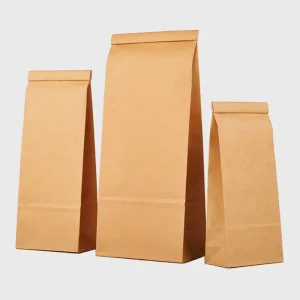
Matériaux et artisanatMaîtrise : Le DLe mal réside dans les détails
Le sacs en papier personnalisés que nous voyons tous les jours sont pour la plupart fabriqués à partir de papier kraft. Sa couleur beige caractéristique provient de la lignine conservée lors du processus de fabrication de la pâte à papier, ce qui se traduit par des fibres plus longues et une plus grande résistance, lui conférant ainsi une durabilité. Le papier cartonné blanc souvent utilisé dans les boutiques suit un parcours différent : blanchi et couché, sa surface est aussi lisse qu’une couche de fond de teint, ce qui le rend idéal pour l’estampage à chaud, mais souvent au prix d’un impact environnemental plus important.
Le grammage est l'unité de mesure principale, exprimée en « g/m² » ou « g/m² ». Les sacs fins que l'on trouve au rayon traiteur des supermarchés ont un grammage d'environ 80 à 100 g/m², les plus épais vendus dans les cafés ont généralement un grammage de 150 à 200 g/m², tandis que les sacs très résistants destinés aux boutiques de luxe peuvent dépasser 250 g/m². Pour chaque augmentation de 50 g/m², le coût augmente en conséquence. Ces poignées robustes n’ont pas été choisies au hasard : le prix du papier torsadé, du coton ou de la corde en nylon peut varier du simple au décuple. Les plis de renfort au fond, les bandes de colle de renforcement sur les bords… Ce sont ces détails invisibles qui, ensemble, déterminent la qualité du sac durabilité.
Allégations environnementales : la « vérité » entre guillemets
« Recyclable, biodégradable, respectueux de l'environnement » : ces trois termes, que l'on retrouve presque systématiquement sur les sacs en papier, sont, dans une certaine mesure, mal compris.
Tout d'abord, le recyclage. En théorie, le papier kraft propre constitue une excellente matière première pour le recyclage. Mais dans la pratique, les sacs souillés par des taches de café, de graisse ou d'humidité (comme une boîte à pizza) sont généralement mis de côté et envoyés directement à la décharge, car ils risquent de contaminer tout un lot de pâte à papier. Un sac laminé avec un film imperméable en polyéthylène pose encore plus de problèmes : le coût technique de la séparation du papier et du plastique est si élevé que la plupart des centres de recyclage le rejettent tout simplement. Ainsi, la possibilité de recycler un matériau dépend entièrement de sa propreté et de son état sec.
Ensuite, la biodégradation. Les sacs en papier peuvent se décomposer en quelques mois dans une installation de compostage industriel. Mais s'ils sont enfouis dans une décharge hermétique, dépourvue d'oxygène et de micro-organismes, le processus peut prendre des décennies, ce qui peut entraîner des émissions de méthane, un gaz à effet de serre dont le potentiel de réchauffement global est 25 fois supérieur à celui du CO₂. Ce que l'on considère comme un « avantage environnemental » peut devenir un fardeau dans de mauvaises conditions d'élimination.
En ce qui concerne l'empreinte carbone, la fabrication d'un sac en papier nécessite généralement plusieurs fois plus d'eau et d'énergie que celle d'un sac en plastique fin. Son intérêt environnemental ne réside pas dans son usage unique, mais dans sa réutilisabilité et son approvisionnement durable. Les marques qui considèrent les sacs en papier comme des emballages jetables tout en vantant leurs qualités écologiques se livrent à une forme d'art performatif.
Les « gardiens de la performance » invisibles
Le sac en papier moderne est bien plus qu'une simple feuille de papier. De nombreux sacs à emporter sont doublés à l'intérieur d'un mince film de polyéthylène, ce qui leur permet de contenir des récipients chauds remplis de liquide sans fuir. Mais cela signifie aussi qu'ils deviennent des matériaux composites, dont la valeur de recyclage est pratiquement nulle.
Sur le plan structurel, le « pli en M » au fond répartit le poids, les œillets renforcés empêchent le sac de se déchirer, et même l'angle des plis est calculé avec précision. Pour un sac de courses contenant 5 kg, chaque détail relève de la micro-ingénierie. On les remarque rarement, mais ce sont eux qui déterminent si le sac cède en cours de route ou vous accompagne jusqu’à la maison.
L'esthétique de la marque : le panneau publicitaire ambulant
Un sac en papier est l'ambassadeur discret d'une marque. Les marques japonaises privilégient souvent la simplicité du papier kraft naturel ; les maisons de luxe préfèrent la sobriété du carton noir rehaussé d'or champagne ; une librairie indépendante optera peut-être pour du papier recyclé à grain grossier afin de refléter sa philosophie. La taille du logo, la longueur des anses, voire le toucher du papier : tout cela contribue à en définir le caractère.
Mais un bon design sait faire preuve de retenue. L'argent consacré au design est bien dépensé pour un sac en papier que les gens ont envie de réutiliser. Lorsqu'un consommateur le promène dans la rue, il fait en quelque sorte la promotion de l'esthétique de la marque. Ces « panneaux publicitaires à usage unique », utilisés une seule fois puis jetés, constituent un gaspillage d'argent et de ressources.
La vie quotidienne : l'art d'en tirer le meilleur parti
Pour tirer le meilleur parti d'un sac en papier, faites preuve d'un peu de bon sens : lorsque vous transportez des objets lourds, soutenez le fond du sac ; ne vous contentez pas de tirer sur les anses. Évitez de les stocker longtemps dans des endroits humides, car la résistance des fibres diminue considérablement après avoir absorbé de l'eau. Les sacs plastifiés peuvent être nettoyés et réutilisés ; ceux qui ne le sont pas peuvent servir de doublure pour les tiroirs, de couverture pour les livres, ou même de cache-pot temporaire.
Lors du rangement, aplatissez-les et empilez-les pour gagner de la place et éviter qu'ils ne se déforment. Les sacs présentant des plis conservent leur résistance et peuvent être réutilisés sans problème. C'est en utilisant un sac en papier trois à cinq fois avant de le recycler que l'on amortit son impact environnemental.
Le point final et le choix
Lorsque vous triez vos déchets, gardez à l'esprit cette distinction essentielle : les sacs en papier propres et secs vont dans le bac de recyclage ; ceux qui sont tachés de graisse ou recouverts d'un film plastique doivent être jetés avec les déchets résiduels. Ce simple geste de tri constitue le maillon le plus crucial de toute la chaîne de recyclage.
Au final, le sac en papier n’est pas la solution miracle aux problèmes environnementaux ; c’est simplement une option parmi tant d’autres. Le sac le plus écologique est toujours celui que l’on réutilise le plus. La prochaine fois que vous accepterez un sac en papier, prenez trois secondes de plus pour examiner sa matière, sa fabrication et sa structure. Un simple choix peut être un geste de gaspillage, ou un geste de le respect des ressources — une chose qui vaut vraiment la peine d'être connue.