








 EN
EN  ES
ES  PT
PT  FR
FR  RU
RU 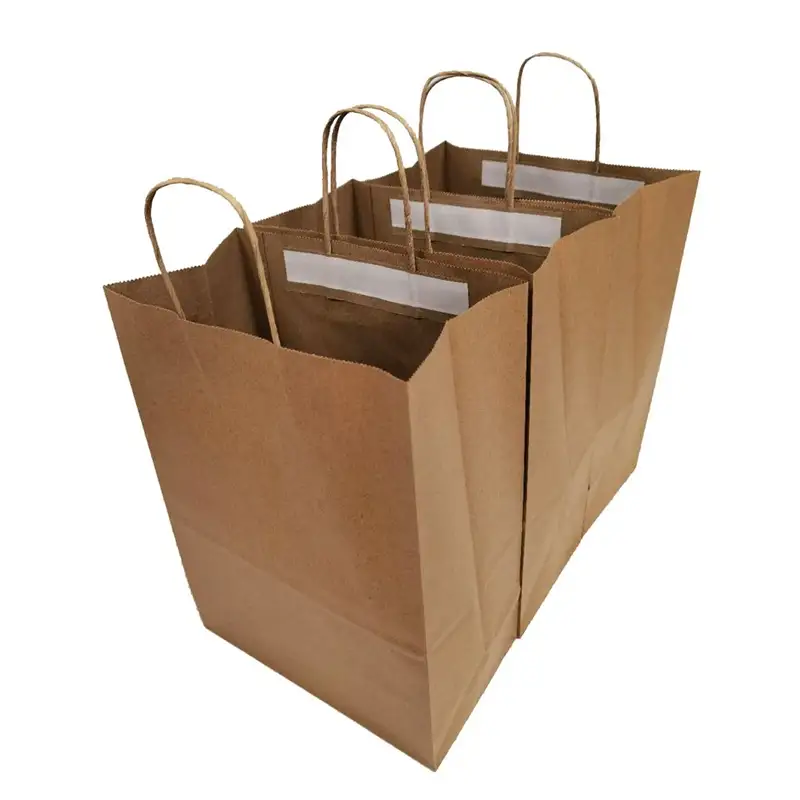
Abstract
The suitability of Kraft paper as a food packaging material is a subject of considerable importance, driven by a global shift towards sustainable practices. This analysis examines the multifaceted nature of Kraft paper, evaluating its application in the food industry. The material's inherent strength, derived from the Kraft pulping process, combined with its favorable environmental profile—being renewable, recyclable, and biodegradable—positions it as a compelling alternative to plastic. However, its effective and safe use is contingent upon several critical factors. These include adherence to stringent food-grade certifications, such as those mandated by the U.S. Food and Drug Administration (FDA) and European Union regulations, which govern direct food contact. Furthermore, the functional limitations of raw Kraft paper, particularly its porosity and low resistance to grease and moisture, necessitate the use of specialized coatings or liners. The selection of these barrier materials introduces further complexities regarding food safety, recyclability, and compostability. This examination concludes that while Kraft paper offers significant benefits, a nuanced and informed approach is required to ensure it is both safe and functional for specific food packaging applications in 2026.
Key Takeaways
- Always verify food-grade certifications like FDA or EU compliance for direct food contact.
- Select appropriate coatings or liners to manage grease and moisture effectively.
- The answer to is kraft paper good for food packaging depends heavily on the specific food being packaged.
- Assess the full lifecycle, including sourcing and end-of-life, for genuine sustainability.
- Differentiate between virgin and recycled Kraft paper for safety and performance needs.
- Stay informed about evolving regulations concerning food contact materials, especially PFAS.
- Choose a knowledgeable supplier who understands the complexities of food-safe packaging.
Table of Contents
- Understanding the Fundamentals: What Exactly is Kraft Paper?
- Factor 1: Food-Grade Certification and Regulatory Compliance
- Factor 2: Barrier Properties and Protective Coatings
- Factor 3: Durability and Structural Integrity for Different Foods
- Factor 4: Sustainability and End-of-Life Considerations
- Factor 5: The Sensory Experience and Brand Perception
- Frequently Asked Questions (FAQ)
- Conclusion
- References
Understanding the Fundamentals: What Exactly is Kraft Paper?
To properly address the question of whether Kraft paper is good for food packaging, we must first build a foundational understanding of the material itself. What is this ubiquitous brown paper, and why does it possess the qualities that make it a candidate for holding our food? Its identity is not found merely in its color or texture but in the specific chemical process that gives it life, a process that imbues it with its characteristic strength.
The Kraft Process: A Chemical Transformation for Strength
The term "Kraft" is not a brand name; it is the German word for "strength," a fitting title for a paper prized for its durability. The Kraft process, developed in the late 19th century, is a chemical pulping method that transforms wood into wood pulp, the primary component of paper. What distinguishes this process is its use of a specific chemical solution—a hot water mixture of sodium hydroxide (NaOH) and sodium sulfide (Na2S)—to break down wood chips into their constituent cellulose fibers.
Imagine the wood structure as a bundle of strong cellulose fibers held together by a natural glue called lignin. The goal of pulping is to separate these fibers while keeping them as long and intact as possible, since fiber length is directly proportional to the paper's resulting strength. The Kraft process is exceptionally efficient at dissolving lignin and other binding materials without significantly weakening the cellulose fibers. This results in a pulp with long, strong fibers, which, when formed into paper, yields a material with high tensile strength and resistance to tearing. This inherent robustness is the first reason why Kraft paper is considered for packaging, including for food items that require a sturdy container.
Virgin vs. Recycled Kraft Paper: A Tale of Two Fibers
The conversation around Kraft paper involves a significant distinction between virgin and recycled content. Virgin Kraft paper is produced directly from wood pulp that has not been used before. Its fibers are long, uniform, and strong, providing maximum durability and a clean, consistent surface. From a food safety perspective, virgin Kraft is often preferred for direct food contact because its chain of custody is clear; there is no risk of unknown contaminants from previous uses.
Recycled Kraft paper, on the other hand, is made from post-consumer or post-industrial paper waste. This is an excellent environmental choice, as it diverts waste from landfills and reduces the demand for virgin wood fiber. However, the recycling process involves repulping paper, which shortens and weakens the cellulose fibers. Consequently, 100% recycled Kraft paper may not have the same strength as its virgin counterpart. More critically for food packaging, the original source of the recycled materials can be difficult to trace. The pulp may contain residues of inks, adhesives, or other chemicals from its previous life, which could be unsuitable for direct contact with food. For this reason, recycled Kraft paper used in food packaging often serves as an outer layer, with a virgin fiber layer or a functional barrier placed in direct contact with the food.
| Feature | Virgin Kraft Paper | Recycled Kraft Paper |
|---|---|---|
| Fiber Source | Freshly harvested wood pulp | Post-consumer or post-industrial paper waste |
| Strength & Durability | Highest tensile and tear strength due to long fibers | Lower strength due to shortened and weakened fibers |
| Food Contact Safety | Generally considered safe for direct contact when certified | Potential for contaminants; often requires a virgin liner |
| Environmental Impact | Higher demand on forest resources | Reduces landfill waste and conserves virgin resources |
| Consistency & Appearance | Uniform color and smooth surface | Can have specks and slight color variations |
| Best Use Case in Food | Direct contact packaging like bakery bags, flour sacks | Outer layers of boxes, carry-out bags, packaging fill |
The Natural Aesthetic: Why Its Look Matters to Consumers
The characteristic brown, earthy appearance of unbleached Kraft paper has become a powerful visual cue for consumers. In a marketplace where people are increasingly wary of synthetic materials and over-processing, the natural look of Kraft paper communicates a message of authenticity, sustainability, and health. It feels less industrial than bleached white paperboard or plastic. This psychological association is not trivial. When a customer receives their organic sandwich or farm-fresh produce in a Kraft paper bag or box, the packaging reinforces the brand's commitment to natural and eco-conscious values. This alignment between product and packaging can enhance the overall consumer experience and build brand loyalty. The decision to use Kraft paper, therefore, is not just a technical one; it is also a strategic marketing choice that taps into the deep-seated human preference for things that appear closer to nature.
Factor 1: Food-Grade Certification and Regulatory Compliance
The most fundamental criterion for any material touching what we eat is safety. The question "is kraft paper good for food packaging?" transforms into "is kraft paper safe for food packaging?" The answer lies not in the paper itself, but in its compliance with a complex web of national and international regulations. These legal frameworks are designed to protect public health by ensuring that no harmful substances migrate from the packaging into the food. For businesses operating in or selling to the United States and Europe, understanding the requirements of the FDA and the EU is non-negotiable.
The FDA's Seal of Approval: Navigating U.S. Regulations
In the United States, the Food and Drug Administration (FDA) is the governing body for food contact materials. The relevant regulations are found in Title 21 of the Code of Federal Regulations (CFR). For a paper product like Kraft to be considered "food-grade," all of its components—from the pulp and processing chemicals to any additives, coatings, or adhesives—must be made from substances that the FDA deems safe for their intended use.
This means the manufacturer must ensure that no unsafe chemicals are used in the pulping process and that any sizing agents, wet-strength agents, or dyes are on the FDA's approved list. For example, a manufacturer cannot use a biocide to prevent slime formation in their machinery if that biocide is not approved for food-contact paper. Verification of compliance is a serious matter. A packaging supplier should be able to provide a Letter of Guaranty or a similar document that explicitly states their product complies with the relevant FDA regulations for the specific type of food it will contact (e.g., aqueous, fatty, or dry). Without this assurance, using the paper for direct food contact is a significant legal and public health risk.
Navigating the EU Framework: Regulation (EC) No 1935/2004
The European Union has a similarly rigorous, albeit structurally different, approach. The cornerstone of its legislation is Regulation (EC) No 1935/2004, a framework regulation that applies to all food contact materials (FCMs). The core principle of this regulation is that materials must be manufactured under Good Manufacturing Practice (GMP) so that they do not transfer their constituents to food in quantities large enough to endanger human health, bring about an unacceptable change in the composition of the food, or cause a deterioration in its organoleptic properties (taste and smell).
While the framework is harmonized across the EU, specific measures for paper and board are not yet fully standardized at the EU level, leading to a patchwork of national laws in member states like Germany, France, and the Netherlands. However, the Council of Europe Resolution AP (2002)1 on paper and board materials provides guidance that is widely respected. Reputable manufacturers will often test their products against these standards, which include limits on heavy metals and other contaminants. A Declaration of Compliance (DoC) is the key document here, serving as a formal statement from the manufacturer that their product meets all applicable EU and national laws.
The Peril of PFAS: Why Fluorine-Free is the New Standard
For decades, a class of chemicals known as per- and polyfluoroalkyl substances (PFAS) were the go-to solution for making paper packaging resistant to grease and water. You have encountered them in pizza box liners and fast-food wrappers. However, the science has become alarmingly clear: these "forever chemicals" are incredibly persistent in the environment and have been linked to a host of serious health problems.
As of 2026, regulatory bodies and public awareness have reached a tipping point. Both the FDA and the European Food Safety Authority (EFSA) have severely restricted or banned the use of many PFAS in food packaging. This has made "fluorine-free" a critical attribute for food-grade Kraft paper. The challenge for the industry has been to find safe and effective alternatives that provide the necessary grease resistance without introducing new health concerns. This shift represents one of the most significant recent developments in food packaging safety, and any evaluation of Kraft paper today must prioritize fluorine-free formulations. Businesses must actively seek out and demand paper products that are explicitly certified as PFAS-free.
How to Verify Certification: A Practical Guide for Businesses
For a business owner, navigating this regulatory landscape can feel daunting. How can you be sure the packaging you purchase is truly compliant? The responsibility lies in due diligence and partnership with a trustworthy supplier.
First, always request the appropriate documentation. For the U.S. market, this is a Letter of Guaranty referencing FDA 21 CFR. For the EU, it is a Declaration of Compliance. Do not accept vague assurances. The documentation should be specific to the product you are buying.
Second, ask about their testing protocols. A reliable leading paper bag manufacturer will conduct regular migration testing to ensure that no unintended substances are leaching from the paper into food simulants under conditions of intended use (e.g., time and temperature).
Third, specifically inquire about PFAS. Ask for confirmation that their products are fluorine-free. A supplier who is knowledgeable and transparent about their approach to eliminating PFAS is a supplier who takes safety seriously. This proactive verification is not just about legal compliance; it is about protecting your customers and your brand's reputation.
Factor 2: Barrier Properties and Protective Coatings
Raw, uncoated Kraft paper is, in essence, a porous web of cellulose fibers. While strong, it offers little resistance to the enemies of food freshness: grease, water, and oxygen. Imagine pouring olive oil onto a standard brown paper bag; it would soak through almost immediately. This is why the question "is kraft paper good for food packaging?" can only be answered by considering not just the paper, but also the barriers that are added to it. The performance of Kraft paper in a food context is almost entirely dependent on the selection and application of appropriate coatings or liners.
The Grease Problem: Why Uncoated Kraft Fails with Oily Foods
The cellulose fibers that make up paper are hydrophilic, meaning they readily absorb water and, by extension, oils and fats. For dry goods like flour, sugar, or bread, this is not a problem. Uncoated Kraft paper bags are perfect for a trip to the bakery. But for anything with even a moderate amount of fat—pastries, fried chicken, sandwiches with mayonnaise, pizza—uncoated paper is unsuitable. The grease will quickly saturate the paper, leading to staining, loss of structural integrity (the bag becomes weak and tears easily), and a messy experience for the consumer. This failure to contain grease is the primary functional limitation of raw Kraft paper and the main driver for the development of barrier technologies.
Solutions for Moisture and Oxygen: Coatings and Liners
Beyond grease, moisture and oxygen are also critical factors in food preservation. Moisture can make crispy foods soggy (like french fries) or cause dry foods to clump. Oxygen promotes oxidation, which leads to staleness and spoilage. Uncoated Kraft paper provides a minimal barrier to either.
To overcome these limitations, manufacturers apply coatings or laminate the paper with liners. A coating is a liquid substance applied to the surface of the paper which then dries to form a continuous, non-porous film. A liner is a separate layer of material, often a plastic film, that is bonded to the paper. Both solutions aim to create an impermeable barrier between the food and the paper, protecting the food from the environment and preventing components of the food (like grease) from compromising the packaging. The choice of coating or liner is a complex decision, balancing performance, cost, food safety, and environmental impact.
| Coating/Liner Material | Barrier Properties (Grease, Moisture, Oxygen) | Recyclability | Compostability | Common Food Applications |
|---|---|---|---|---|
| Polyethylene (PE) | Excellent grease and moisture barrier; poor oxygen barrier | Difficult; requires specialized separation facilities | Not compostable | Fast food wrappers, coffee cups, frozen food boxes |
| Polylactic Acid (PLA) | Good grease and moisture barrier; moderate oxygen barrier | Difficult; requires industrial composting, not home compostable | Industrially compostable under specific conditions | Salad boxes, cold drink cups, sandwich containers |
| Wax (Petroleum or Bio-based) | Good moisture barrier; moderate grease barrier | Complicates paper recycling; may be compostable if bio-based | Depends on wax type; petroleum wax is not compostable | Butcher paper, bakery sheets, some fast food wrappers |
| Aqueous/Dispersion Coatings | Variable; can be formulated for good grease and moisture resistance | Generally considered more recyclable-friendly than PE/PLA | Can be designed to be biodegradable and compostable | Take-out containers, paper plates, food trays |
Comparing Coating Materials: PE, PLA, and Wax
For many years, the most common coating was polyethylene (PE), a petroleum-based plastic. It is effective and inexpensive, providing an excellent barrier to grease and moisture. However, PE-coated paper is notoriously difficult to recycle. The plastic film must be separated from the paper fiber, a process that most standard recycling facilities are not equipped to handle. As a result, a huge volume of PE-coated paper packaging ends up in landfills.
In response to the environmental concerns of PE, polylactic acid (PLA) emerged as a popular alternative. PLA is a bioplastic derived from renewable resources like corn starch or sugarcane. It is often marketed as "compostable." While this is true, it is a qualified truth. PLA only breaks down in industrial composting facilities that can maintain high temperatures over a sustained period. It will not biodegrade in a backyard compost pile or in a landfill. Furthermore, PLA can contaminate the conventional plastic recycling stream if not properly sorted.
Wax coatings are another traditional option. Historically, these were petroleum-based paraffin waxes, which, like PE, pose recycling challenges. More recently, bio-based waxes derived from soy or palm oil have been developed. These can be more compatible with composting, but their performance and sourcing ethics must be carefully evaluated. The choice between these materials involves a trade-off between performance, end-of-life reality, and cost, which is explored in this comprehensive guide to paper types.
The Rise of Bio-Based and Aqueous Coatings
The most exciting area of innovation in 2026 is the advancement of water-based or "aqueous" dispersion coatings. These are non-plastic coatings that consist of polymers and additives dispersed in water. The mixture is applied to the paper, and as the water evaporates, the particles fuse to form a protective barrier film. The major advantage of these coatings is their potential to provide grease and moisture resistance without hindering the recyclability of the paper. Because they are not a separate plastic film, the coated paper can often be repulped in a standard paper recycling mill.
These technologies are evolving rapidly, with new formulations offering performance that rivals traditional plastic coatings. They represent a promising path forward, a way to harness the strength and sustainability of Kraft paper without compromising on the functional barrier properties needed for a wide range of foods. For a business looking for a truly sustainable solution, exploring options with advanced, recyclable aqueous coatings is a critical step.
Factor 3: Durability and Structural Integrity for Different Foods
Beyond safety and barrier properties, the physical robustness of Kraft paper is a primary reason for its widespread use. It must be strong enough to contain the food, withstand the rigors of transport and handling, and maintain its shape without tearing or collapsing. The evaluation of Kraft paper's suitability for a given food product must therefore include a careful analysis of its mechanical properties. The central question is not just if it is strong, but how strong it needs to be for a specific application.
Grams per Square Meter (GSM): The Measure of Toughness
The most common metric for quantifying the "sturdiness" of paper is its basis weight, typically measured in grams per square meter (GSM). This is a measurement of the paper's density. A higher GSM value means the paper is thicker, heavier, and generally more rigid and tear-resistant.
For example, a lightweight Kraft paper used for a small bakery bag might be around 40-50 GSM. It is strong enough to hold a croissant or a few cookies but is light and flexible. In contrast, a paper bag designed to carry a week's worth of groceries might be made from 80-100 GSM Kraft paper to prevent it from tearing under the weight. The material for a take-out box that needs to hold a heavy meal and resist some moisture might be even heavier, perhaps 250-350 GSM paperboard. Understanding GSM is crucial for a business because selecting a paper that is too light will lead to product failure and customer complaints, while selecting one that is too heavy (over-engineering) results in unnecessary material usage and higher costs.
From Bakery Bags to Takeout Boxes: Matching Strength to Application
The required durability is intimately linked to the food product itself. Let's consider a few mental exercises to illustrate this point.
- Dry, Lightweight Items: Think of a bag for loose-leaf tea or coffee beans. The primary requirement is containment. The paper does not need to be exceptionally strong, but it must be well-sealed. A lower GSM Kraft paper is often sufficient.
- Greasy, Hand-held Items: Consider a sleeve for a hot dog or a wrapper for a burrito. Here, the paper must have grease resistance (a coating is necessary) and enough tensile strength to not tear when handled by the consumer. The structural integrity must hold up for the 10-15 minutes it takes to eat the item.
- Heavy, Bulk Items: Imagine a 5-pound bag of potatoes or a large sack of flour. The primary concern here is tear and burst strength. The paper must be a high GSM virgin Kraft to handle the significant weight without failing, especially at the seams and bottom of the bag.
- Hot, Steamy Takeout: Picture a container for curry and rice or a pasta dish. This is one of the most demanding applications. The package must be rigid enough to not collapse, have an excellent moisture and grease barrier to prevent leaks, and be able to handle the heat of the food without weakening. This often requires a heavy-gauge Kraft paperboard with a high-performance coating.
The analysis shows that there is no one-size-fits-all answer. The suitability of Kraft paper is a direct function of matching the paper's specific grade and GSM to the physical demands of the food it will contain.
The Impact of Folds and Creases on Barrier Integrity
An often-overlooked aspect of durability is the performance of the packaging at its weakest points: the folds and creases. When paper is folded to create a box or a bag, the fibers at the crease are compressed and stressed. If a barrier coating has been applied, this folding action can create micro-cracks in the coating, compromising its integrity.
This is a phenomenon known as "crease cracking." A package might look fine on a shelf, but once a consumer handles it, the stress on the folds can cause a tiny rupture in the barrier, leading to a slow leak of grease or moisture. This is particularly a risk with more brittle coatings. High-quality food packaging manufacturers are aware of this issue. They select coatings that have good flexibility and perform score-line testing to ensure that the barrier remains intact even after the paperboard is folded into its final shape. When sourcing Kraft paper packaging, especially for demanding applications like liquid or oily foods, it is wise to ask potential suppliers about how they mitigate the risk of barrier failure at the creases. This attention to detail separates adequate packaging from truly reliable packaging.
Factor 4: Sustainability and End-of-Life Considerations
Much of the enthusiasm for Kraft paper stems from its image as an environmentally friendly material. It comes from trees, a renewable resource, and it often replaces petroleum-based plastics. However, a genuine commitment to sustainability requires a more critical and holistic examination. The environmental credentials of Kraft paper packaging are not absolute; they depend on responsible sourcing, the nature of any added coatings, and the practical realities of its end-of-life processing. The question "is kraft paper good for food packaging?" must be extended to "is it good for the planet?"
Recyclability: Is It Always Recyclable? (The Coating Dilemma)
In its pure, uncoated form, Kraft paper is highly recyclable. It can be easily repulped and made into new paper products. This is a major environmental advantage. The complication, as we have discussed, arises from the coatings and liners necessary for most food applications.
When Kraft paper is coated with a traditional plastic like polyethylene (PE), its recyclability plummets. Standard paper recycling mills (known as Material Recovery Facilities, or MRFs) are designed to process paper, not plastic. The PE film clogs their equipment and contaminates the paper pulp. While specialized facilities exist that can separate the plastic from the paper, they are not widespread. As a result, the majority of PE-coated paper ends up in landfills.
This creates a significant "greenwashing" problem. A company might proudly market its Kraft paper box as "recyclable," but if it has a PE coating, that claim is misleading for most consumers in most municipalities. True sustainability requires transparency about the entire package. As mentioned earlier, the development of repulpable, water-based dispersion coatings is a game-changer in this area, offering barrier properties without sacrificing the core recyclability of the paper fiber.
Compostability and Biodegradability: Understanding the Difference
The terms "biodegradable" and "compostable" are often used interchangeably, but they mean very different things. Biodegradable simply means that a material will break down into smaller pieces through the action of microorganisms over time. Technically, almost everything is biodegradable, but the process can take hundreds of years and may leave behind harmful residues.
Compostable, on the other hand, is a much more specific and meaningful term. A product certified as compostable will break down in a composting environment within a specific timeframe (e.g., 90-180 days), turning into non-toxic components like water, carbon dioxide, and biomass (humus). However, there is another crucial distinction: home compostable versus industrially compostable. Many PLA-coated Kraft paper products are only compostable in industrial facilities, which reach high temperatures that a backyard compost pile cannot. If these products are not sent to the correct facility, they will not break down and can contaminate recycling streams. A truly sustainable choice requires aligning the packaging's end-of-life design with the available waste management infrastructure in the region where it will be used.
Life Cycle Assessment (LCA): A Holistic View of Environmental Impact
To move beyond simple labels like "recyclable" or "eco-friendly," a more rigorous approach is the Life Cycle Assessment (LCA). An LCA is a scientific method for evaluating the total environmental impact of a product from cradle to grave. For Kraft paper packaging, this would include:
- Raw Material Extraction: The impact of forestry practices. Are the trees from a sustainably managed forest?
- Manufacturing: The energy and water used in the pulping and papermaking process. What chemicals are used, and how is the waste treated?
- Transportation: The carbon footprint of shipping the raw materials and the finished product.
- Use: The performance and durability during its intended life.
- End-of-Life: The impacts of its disposal. Is it landfilled, incinerated, recycled, or composted? What are the emissions and resource recovery rates for each pathway?
An LCA provides a much more complete and honest picture of a product's environmental footprint than any single attribute. While conducting a full LCA is a complex undertaking, businesses can and should ask their suppliers about the life cycle thinking that informs their product design and material selection.
The Role of FSC and SFI Certifications
One of the most direct ways to ensure the sustainability of the paper itself is to look for certifications from independent, third-party organizations that verify responsible forestry. The two most prominent certifications are:
- Forest Stewardship Council (FSC): An international non-profit that promotes responsible management of the world's forests. FSC certification ensures that the wood fiber comes from forests that are managed to meet the social, economic, and ecological needs of present and future generations.
- Sustainable Forestry Initiative (SFI): A North American standard that integrates the perpetual growing and harvesting of trees with the protection of wildlife, plants, soil, and water quality.
When a Kraft paper product carries the FSC or SFI logo, it provides a credible guarantee that the paper fiber is sourced from forests that are not being irresponsibly clear-cut but are managed as a renewable and resilient ecosystem. For any brand that stakes its reputation on sustainability, sourcing certified paper is a fundamental and non-negotiable step.
Factor 5: The Sensory Experience and Brand Perception
The final set of considerations in evaluating Kraft paper for food packaging moves from the tangible world of chemistry and mechanics to the more subtle realm of human perception. Packaging does more than just contain and protect a product; it is the first physical interaction a customer has with a brand. It communicates values, influences sensory experience, and can either build or erode trust. In this context, Kraft paper's characteristics—its look, its feel, and its potential impact on taste and smell—are of paramount importance.
The Absence of "Papery" Taste: Ensuring Flavor Neutrality
One of the core requirements of any food contact material, as enshrined in regulations like the EU's (EC) No 1935/2004, is that it must not transfer any taste or odor to the food. This is known as organoleptic neutrality. While paper is generally considered low-risk in this regard compared to some plastics, it is not an issue to be dismissed.
Low-quality or improperly processed paper can sometimes impart a subtle "papery" or "cardboard-like" taste, especially to delicate or high-fat foods. This can occur due to residual chemicals from the pulping process or from the paper's natural components. A high-quality, food-grade Kraft paper is specifically manufactured and tested to be organoleptically neutral. Reputable suppliers conduct sensory panel testing, where trained testers evaluate whether food stored in the packaging picks up any off-flavors or aromas. For a food business whose reputation depends on the quality and taste of its products—a coffee roaster, a chocolatier, a fine bakery—ensuring the flavor neutrality of their packaging is absolutely critical. The packaging should be a silent carrier, not an unwanted ingredient.
Printability and Customization: Communicating Your Brand Story
While the natural brown look of Kraft paper is one of its key assets, it also serves as a canvas for branding. The ability to print logos, nutritional information, and marketing messages onto the packaging is essential. Kraft paper generally offers a good surface for printing, but its natural color and texture present different opportunities and challenges compared to bleached white paper.
The porous, fibrous surface of uncoated Kraft paper can absorb ink, which can result in a softer, more muted look. This can be a desirable aesthetic, reinforcing a rustic or artisanal brand identity. The brown background also affects color perception; inks will appear darker and less vibrant than they would on a white substrate. Designers must account for this by choosing appropriate color palettes and printing techniques.
For sharper, more vibrant graphics, a coated Kraft paper or a white Kraft variant (where the top layer is bleached) might be a better choice. The coating provides a smoother, less absorbent surface that holds the ink on top, resulting in crisper lines and brighter colors. The choice of printing surface is another strategic decision, balancing the desired aesthetic with the practical needs of brand communication. High-quality eco-friendly paper bags and boxes can be customized to great effect, turning a simple container into a powerful marketing tool.
The Psychological Impact of Eco-Friendly Packaging on Consumers
The decision to use Kraft paper packaging resonates deeply with the values of a growing segment of consumers. In 2026, awareness of environmental issues like plastic pollution and deforestation is at an all-time high. Consumers, particularly in the USA and Europe, are actively seeking out brands that demonstrate a commitment to sustainability.
When a customer receives a product in Kraft paper packaging, it triggers a series of positive psychological associations. It signals that the brand is thoughtful, responsible, and aligned with their own values. This can lead to what is known as a "halo effect," where the positive feelings about the packaging are transferred to the product itself. The food may be perceived as healthier, more natural, or of higher quality simply because of the container it comes in.
This is not just a feel-good story; it has tangible business benefits. Studies have shown that consumers are often willing to pay a premium for products with sustainable packaging. It can be a key differentiator in a crowded market and a powerful driver of customer loyalty. By choosing packaging that tells a story of environmental stewardship, a brand is not just selling a product; it is inviting the customer to be part of a positive movement. The answer to "is kraft paper good for food packaging?" is, from a marketing perspective, a resounding yes, because it is good for building a brand that resonates with the modern consumer.
Frequently Asked Questions (FAQ)
Is all Kraft paper food safe? No, not all Kraft paper is food safe. To be considered safe for direct contact with food, the paper must be manufactured specifically to food-grade standards, complying with regulations like those from the FDA in the U.S. or Regulation (EC) No 1935/2004 in the EU. This means it must be made from approved materials and be free from harmful chemicals, dyes, or recycled content that may contain contaminants. Always look for explicit food-grade certification from the supplier.
Can you microwave Kraft paper containers? It depends entirely on the specific product. Uncoated, 100% pure Kraft paper is generally considered microwave-safe for short periods. However, many Kraft paper containers have plastic (PE or PLA) coatings, liners, or adhesives that may not be microwave-safe and could melt or leach chemicals when heated. You must check with the manufacturer to see if a specific container is certified for microwave use. Never microwave any paper product with metal components, like wire-reinforced handles.
Is brown Kraft paper better than white Kraft paper for food? Neither is inherently "better"; they serve different purposes. Brown Kraft paper is unbleached, which means it undergoes less processing. Its natural aesthetic is often associated with eco-friendly and organic products. White Kraft paper has been bleached to remove lignin, resulting in a brighter, cleaner look that allows for more vibrant printing. As long as both are certified food-grade, the choice is primarily about branding, aesthetics, and the desired print quality.
How can I tell if Kraft packaging is recyclable? Pure, uncoated Kraft paper is easily recyclable with other paper products. The challenge comes with coatings. If the paper has a shiny, plastic-like feel, it is likely coated with PE or PLA, which makes it difficult to recycle in most standard facilities. Some packaging may have a "How2Recycle" label or similar instructions. A growing number of products use repulpable aqueous coatings that are designed to be recycled. When in doubt, it's best to check with your local recycling program's guidelines.
What is the difference between Kraft paper and butcher paper? While they can look similar, they are designed for different primary functions. Kraft paper is engineered for strength and durability, making it ideal for bags and wrapping. Butcher paper is specifically treated and sized to provide moisture and blood resistance, protecting meat from freezer burn and air exposure while maintaining a degree of breathability. Butcher paper is almost always food-grade, whereas Kraft paper is only food-grade if specifically manufactured and certified as such.
Does Kraft paper affect the taste of food? High-quality, food-grade Kraft paper should be organoleptically neutral, meaning it does not transfer any taste or smell to the food. Manufacturers of food-contact paper conduct sensory tests to ensure this neutrality. If you notice a "papery" taste, it could indicate a lower-quality paper or that the packaging is not appropriate for that specific food type (e.g., using uncoated paper for a high-fat product).
Conclusion
The inquiry, "is kraft paper good for food packaging?" does not yield a simple yes or no. Instead, the analysis reveals that Kraft paper's suitability is a conditional proposition, contingent upon a thoughtful and informed evaluation of multiple, interconnected factors. Its foundational strengths—durability derived from the Kraft process and its identity as a renewable, biodegradable resource—make it an exceptionally promising material for a world moving away from single-use plastics.
However, its successful application demands a rigorous approach. The non-negotiable starting point is regulatory compliance, ensuring the paper is certified food-grade by bodies like the FDA and EU and, in the context of 2026, is explicitly free from harmful PFAS. Functionally, the inherent porosity of raw paper must be addressed with appropriate barrier coatings, with a clear preference for modern, recyclable aqueous solutions over traditional plastics that compromise end-of-life sustainability. The paper's physical strength, measured in GSM, must be meticulously matched to the demands of the food it is destined to hold, from a lightweight pastry bag to a robust take-out container.
Furthermore, a genuine commitment to sustainability requires looking beyond the material itself to its entire lifecycle—from responsibly sourced, FSC-certified forests to the practical realities of its recyclability or compostability in the hands of the consumer. Finally, the sensory and psychological dimensions cannot be overlooked. The right Kraft paper packaging must protect the food's flavor while communicating a brand's values, leveraging its natural aesthetic to build trust and connect with the eco-conscious consumer. Ultimately, Kraft paper is not just a material; it is a system. When all components of that system are chosen with care and expertise, it stands as one of the most intelligent, responsible, and effective food packaging solutions available today.
References
Nanwang. (n.d.-a). About us. Nanwang Paper Packaging. Retrieved from https://www.nanwangpaperbag.com/about-us/
Nanwang. (n.d.-b). Food grade paper bag. Nanwang Paper Packaging. Retrieved from https://www.nanwangpaperbag.com/category/food-grade-paper-bag/
Nanwang. (n.d.-c). The best types of paper for food packaging: A comprehensive guide. Nanwang Paper Packaging. Retrieved from https://www.nanwangpaperbag.com/the-best-types-of-paper-for-food-packaging-a-comprehensive-guide/