








 RU
RU  EN
EN  ES
ES  PT
PT  FR
FR Paper bags have become an essential packaging solution for retail, food service, and promotional use due to their sustainability, versatility, and visual appeal. Understanding how to make a paper bag step by step helps beginners appreciate the craftsmanship behind everyday packaging while also highlighting why professional manufacturing is important for large-scale and commercial needs.
This article explains the 8 steps in making paper bag in a simple and practical way, while also introducing professional paper bag solutions provided by experienced manufacturers like Nanwang.
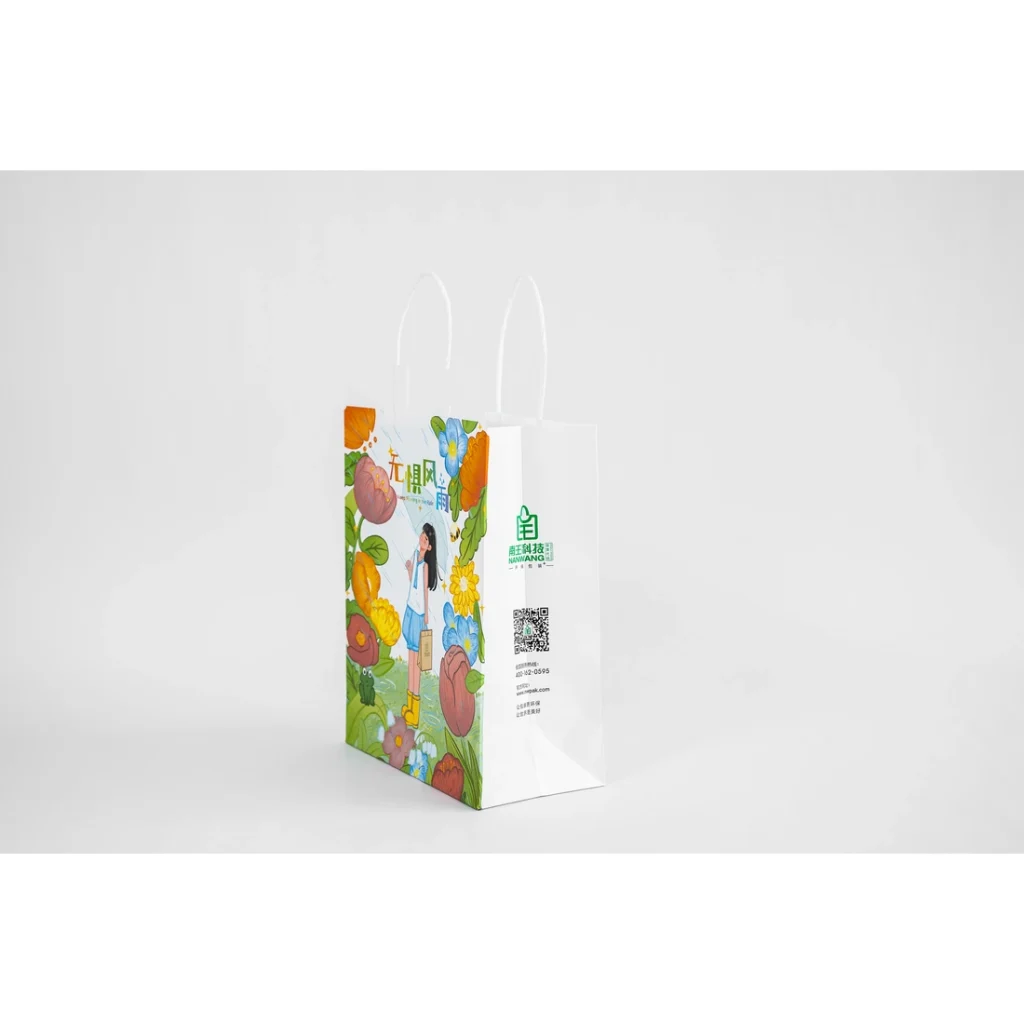
Understanding the Purpose of a Paper Bag
Before learning how a paper bag is made, it is important to understand its purpose. A paper bag must be strong enough to carry products, visually attractive for branding, and environmentally friendly. Retail paper bags, in particular, need consistent quality and reliable structure to meet customer expectations.
Professional manufacturers design Paper Bag not only for functionality but also for brand presentation and sustainability, making them a preferred choice in modern packaging.
Choosing the Right Paper Material
The first stage in the 8 steps in making paper bag is selecting suitable paper material. Kraft paper, white paper, and coated paper are commonly used depending on strength, appearance, and printing requirements.
Material thickness and fiber quality directly affect load capacity and durability. In commercial production, material selection is carefully matched to the bag’s intended use, whether for light retail goods or heavier items.
Cutting and Preparing the Paper Sheet
Once the paper is selected, it is cut into the correct size based on the bag’s final dimensions. Accurate cutting ensures consistency and minimizes material waste.
In professional paper bag factories, automated cutting machines are used to maintain precision and efficiency, which is difficult to achieve with manual production.
Forming the Bag Shape
After cutting, the paper is folded to create the basic bag shape. This process defines the front, back, and side gussets. Proper alignment at this stage is essential to ensure the bag stands upright and holds its shape during use.
This step is a core part of the 8 steps in making paper bag, as it determines the overall structure and usability of the final product.
Creating and Reinforcing the Bottom
The bag bottom is folded and glued to provide stability and load-bearing strength. A well-constructed bottom prevents tearing and ensures the bag can carry weight safely.
In industrial production, bottom reinforcement is carefully engineered to meet retail performance standards, especially for shopping and gift bags.
Adding Handles for Functionality
Handles are an important functional and visual component of a paper bag. Twisted paper handles, flat handles, or rope handles are commonly used depending on the bag style.
Handle attachment must be strong enough to support weight while maintaining a clean appearance. Professional factories apply standardized testing to ensure handle durability.
Gluing and Final Assembly
Adhesives are applied to secure folds, bottoms, and handles. High-quality glue ensures long-lasting performance without affecting the bag’s appearance.
This stage completes the physical assembly within the 8 steps in making paper bag, transforming flat paper into a fully functional packaging product.
Quality Inspection and Finishing
Before use or shipment, each paper bag undergoes quality inspection. This includes checking dimensions, strength, handle adhesion, and overall appearance.
For retail and wholesale markets, quality consistency is critical, which is why businesses often rely on experienced manufacturers instead of manual production.
From Handmade Process to Industrial Manufacturing
While learning how to make a paper bag step by step is useful for understanding the basics, large-scale production requires advanced equipment, skilled labor, and strict quality control.
Nanwang is a professional поставщик бумажной упаковки offering customized and mass-production paper bag solutions for global markets. With modern production lines and sustainable material sourcing, Nanwang supports brands looking for reliable and eco-friendly packaging.
Why the 8 Steps Matter in Commercial Paper Bag Production
Each of the 8 steps in making paper bag plays a crucial role in ensuring durability, appearance, and functionality. Skipping or simplifying any step may result in weak structure or poor user experience.
Professional manufacturers optimize these steps through automation and expertise, delivering consistent results that meet international retail standards.
For a simplified visual and practical guide, you can also explore this detailed explanation of the 8 steps in making paper bag.
Заключение
Learning how to make a paper bag step by step helps illustrate the craftsmanship behind a simple yet essential packaging product. The 8 steps in making paper bag form the foundation of both handmade and industrial production processes.
For businesses seeking reliable, customizable, and sustainable paper bag solutions, partnering with an experienced paper packaging supplier ensures quality, efficiency, and long-term value. Paper bags are no longer just containers; they are an extension of brand identity and environmental responsibility.