








 ES
ES  EN
EN  PT
PT  FR
FR  RU
RU 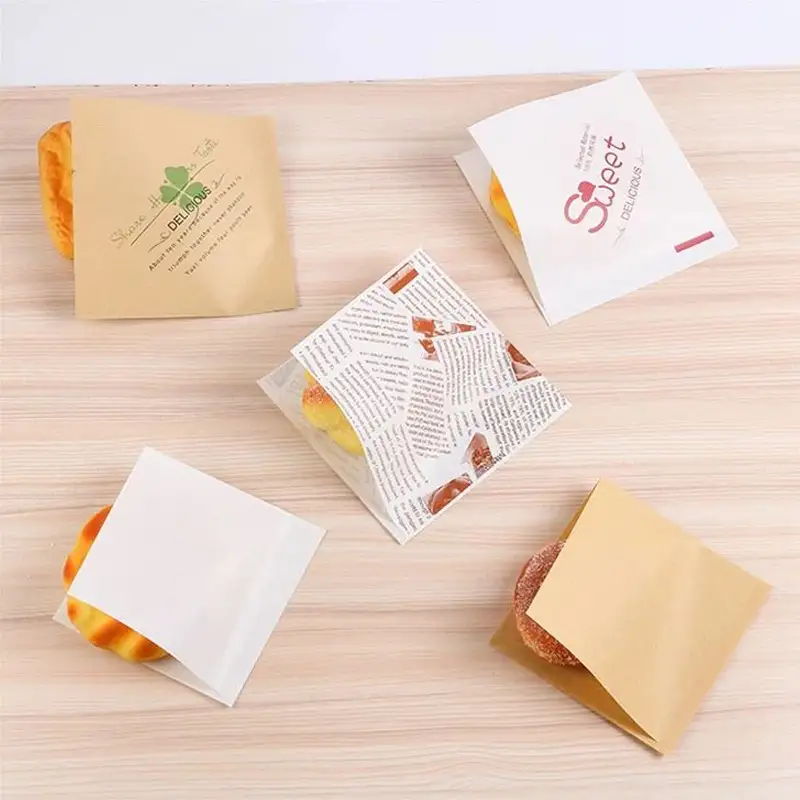
Resumen
La elección del papel para el envasado de alimentos es una decisión con múltiples facetas, que depende de consideraciones relacionadas con la seguridad del producto, la funcionalidad del material y la sostenibilidad medioambiental. Este documento examina los principales tipos de papel utilizados en la industria alimentaria en 2026, y ofrece un análisis detallado de su composición, procesos de fabricación y aplicaciones específicas. Explora materiales como el papel Kraft, el papel sulfato blanqueado sólido (SBS), el papel antigrasa, el papel pergamino, el papel encerado, el cartón y el cartón ondulado. Para cada tipo, el texto evalúa propiedades clave de rendimiento, incluyendo el gramaje, la resistencia a la humedad y a la grasa, la capacidad de impresión y la integridad estructural. El análisis también contextualiza estos materiales dentro de los marcos normativos vigentes de los Estados Unidos (FDA) y la Unión Europea, destacando la importancia de la certificación de calidad alimentaria. Además, el análisis aborda las vías de fin de vida útil de estos materiales de envasado, incluyendo su reciclabilidad y compostabilidad, lo que refleja el importante giro de la industria hacia una economía circular. También se evalúa el papel de los recubrimientos funcionales, tanto tradicionales como de origen biológico, como componente fundamental para mejorar las propiedades de barrera del papel. Esta visión general exhaustiva sirve de guía básica para los profesionales que se enfrentan a las complejidades de la elección de envases alimentarios de papel.
Principales conclusiones
- Asegúrese de que los envases cumplan con la normativa de la FDA y de la UE sobre productos en contacto con alimentos.
- Adapta las propiedades del papel, como la resistencia a la grasa, a tu producto alimenticio concreto.
- Considera la posibilidad de utilizar materiales de origen sostenible, como los certificados por el FSC, para tu marca.
- Comprende qué tipo de papel se utiliza en los envases alimentarios para encontrar el equilibrio entre el coste y el rendimiento.
- Evalúa las opciones al final de la vida útil, como la reciclabilidad o la compostabilidad.
- Colaborar con los proveedores para personalizar los embalajes y garantizar una protección óptima.
- Elige recubrimientos como el PLA como alternativa compostable al PE tradicional.
Índice
- El papel fundamental del papel en el envasado alimentario moderno
- Comprensión de las propiedades clave de los papeles para envases alimentarios
- Tipo 1: Papel kraft: el material resistente y natural por excelencia
- Tipo 2: Papel blanqueado (sulfato blanqueado en masa – SBS) – La mejor opción
- Tipo 3: Papel antigrasa: la barrera contra los aceites
- Tipo 4: Papel de horno (papel para hornear) – El especialista en antiadherentes
- Tipo 5: Papel encerado – La barrera clásica contra la humedad
- Tipo 6: Cartón: la columna vertebral de los envases
- Tipo 7: Cartón ondulado: la protección definitiva
- Elegir el papel adecuado para tu producto alimenticio
- Preguntas frecuentes: respuestas a las preguntas más habituales sobre el papel para envases alimentarios
- Conclusión
- Referencias
El papel fundamental del papel en el envasado alimentario moderno
Cuando paseamos por un supermercado o compramos comida para llevar, nos encontramos con una gran variedad de materiales de envasado. Durante décadas, el plástico ha ocupado una posición dominante, apreciado por su bajo coste y su versatilidad. Sin embargo, se está produciendo un cambio profundo. A medida que avanzamos hacia 2026, la cuestión no es solo qué puede contener nuestros alimentos, sino cómo ese envase refleja nuestros valores en relación con la salud del planeta. El papel, un material derivado de un recurso renovable, ha resurgido como protagonista en esta narrativa, respondiendo a la demanda de soluciones más sostenibles.
Piensa en este movimiento como un cambio de rumbo colectivo. Estamos pasando de un modelo lineal de «extraer, fabricar, desechar» a uno circular en el que los materiales se reutilizan, se reciclan o se devuelven de forma segura a la tierra. Los envases de papel y cartón son fundamentales en esta transición, ya que ofrecen un vínculo tangible con una forma de consumo más responsable.
El paso del plástico al papel: la necesidad imperiosa de la sostenibilidad
El impulso que ha llevado a la transición hacia el papel tiene su origen en una creciente sensibilización pública y normativa sobre el impacto medioambiental. La persistencia de los residuos plásticos en los océanos y los vertederos se ha convertido en un problema global acuciante, lo que lleva a los consumidores a preferir marcas que demuestren un compromiso con el medio ambiente (Comisión Europea, 2022). Esta preferencia de los consumidores no es solo una moda; es una poderosa fuerza de mercado. Las marcas que la ignoren corren el riesgo de perder relevancia, mientras que aquellas que la adopten pueden generar una mayor fidelidad.
Los órganos legislativos tanto de Estados Unidos como de Europa han respondido con medidas destinadas a reducir el plástico de un solo uso. Por ejemplo, las directivas que promueven la reciclabilidad y el uso de materiales reciclados están transformando la forma en que las empresas diseñan sus envases. El papel, con sus altas tasas de reciclaje en muchas regiones, representa una alternativa atractiva. Sus fibras pueden volver a transformarse en pasta de papel en múltiples ocasiones, lo que contribuye a una economía circular que minimiza los residuos. Esto le confiere una ventaja significativa frente a muchos plásticos de un solo uso, cuyos procesos de fin de vida útil suelen ser más complejos o inexistentes.
Definición de «apto para uso alimentario»: seguridad, cumplimiento normativo y confianza del consumidor
No todos los papeles son iguales, sobre todo cuando se trata del contacto directo con los alimentos. El término «apto para uso alimentario» es una designación fundamental que indica que un material es seguro para el fin al que está destinado. Es una garantía para el consumidor de que el envase no transferirá sustancias nocivas a los alimentos en cantidades que puedan poner en peligro la salud humana o provocar un cambio inaceptable en la composición, el sabor o el olor de los alimentos.
Imagina el papel como un guardián silencioso de tus alimentos. Para ser un guardián eficaz, debe estar libre de contaminantes. El papel apto para uso alimentario se fabrica mediante procesos que minimizan o eliminan los productos químicos nocivos. Las fuentes de la pasta de papel, los coadyuvantes de procesamiento, los colorantes y cualquier recubrimiento funcional deben cumplir estrictas normas de pureza. Las empresas demuestran este cumplimiento mediante rigurosas pruebas y certificaciones, como las del British Retail Consortium (BRC) o el cumplimiento de la norma ISO 22000, una norma de gestión de la seguridad alimentaria (nanwangpaperbag.com). Esta verificación no es solo un trámite burocrático, sino que constituye la base de la confianza de los consumidores. Cuando un cliente ve un envase que sabe que es seguro, aumenta su confianza en el producto que contiene.
Cómo orientarse en el panorama normativo en 2026 (FDA y UE)
Para operar en el mercado mundial de 2026 es necesario conocer a fondo dos marcos normativos fundamentales: la normativa de la Administración de Alimentos y Medicamentos de los Estados Unidos (FDA) y la de la Unión Europea (UE). Aunque ambas comparten el mismo objetivo fundamental de garantizar la seguridad de los consumidores, sus enfoques difieren.
En Estados Unidos, la FDA regula los materiales en contacto con alimentos en virtud del Título 21 del Código de Regulaciones Federales (CFR). Concretamente, las partes 174 a 178 enumeran las sustancias cuyo uso está permitido en los envases de alimentos. Un material se considera seguro para uso alimentario si sus componentes figuran en esta lista aprobada, están «generalmente reconocidos como seguros» (GRAS) o han sido autorizados mediante una Notificación de Contacto con Alimentos (FCN).
El enfoque de la Unión Europea se basa en el Reglamento Marco (CE) n.º 1935/2004, que establece los principios generales de seguridad para todos los materiales en contacto con alimentos. Este establece que los materiales no deben transferir sus componentes a los alimentos en cantidades que puedan poner en peligro la salud humana o alterar las propiedades de los alimentos. Más allá de este marco, existen medidas específicas para determinados materiales. En el caso del papel y el cartón, aunque todavía se está desarrollando una medida armonizada a escala de la UE, muchos Estados miembros se basan en las recomendaciones de organismos como el Instituto Federal de Evaluación de Riesgos (BfR) de Alemania o la Resolución del Consejo de Europa sobre el papel y el cartón.
Para cualquier empresa, cumplir con estas normativas es imprescindible. Esto implica trabajar con proveedores que puedan proporcionar la documentación y las declaraciones de conformidad necesarias, garantizando que todos los componentes del envase, desde la fibra de papel hasta la tinta de impresión, sean aptos para el contacto con alimentos en los mercados a los que se dirigen.
Comprensión de las propiedades clave de los papeles para envases alimentarios
Antes de entrar en detalle sobre los tipos específicos de papel, es fundamental sentar las bases del vocabulario. Piénsalo como si se tratara de aprender los términos clave en una clase de ciencias antes de realizar un experimento. Comprender estas propiedades te permitirá plantear las preguntas adecuadas y tomar decisiones informadas a la hora de seleccionar el embalaje. El tipo de papel que se utiliza en el embalaje de alimentos depende totalmente de que estas propiedades se ajusten a las necesidades del producto.
Gramaje: la base de la resistencia
Una de las propiedades más fundamentales del papel es su gramaje, al que a menudo se hace referencia como «gramage». Se expresa en gramos por metro cuadrado (g/m² o gsm). Imagina que tienes en la mano una hoja de papel de oficina (normalmente de unos 80 g/m²) y, al lado, una cartulina para tarjetas de felicitación (quizás de 250 g/m²). La diferencia en cuanto a peso, rigidez y resistencia percibida se nota de inmediato.
Esta propiedad es un indicador fundamental del grosor y la densidad del papel. Por lo general, un gramaje más elevado se corresponde con una mayor resistencia a la tracción, al desgarro y a la rigidez. Para una bolsa de la compra sencilla, diseñada para transportar productos secos, podría bastar con un papel Kraft más ligero, de entre 70 y 100 g/m². Para una caja plegable de alta gama que contenga una botella de aceite de oliva, es necesario un cartón mucho más pesado, de 250-400 g/m², para proporcionar soporte estructural y protección. Elegir el gramaje adecuado es un equilibrio entre garantizar la protección del producto, gestionar los costes de material y tener en cuenta la huella medioambiental que supone el uso de más fibra.
Propiedades de resistencia: resistencia a la grasa, la humedad y el oxígeno
Los alimentos son sustancias complejas. Pueden ser húmedos, grasientos o sensibles al aire. El papel que los envuelve debe actuar como barrera, protegiendo los alimentos del entorno y el entorno de los alimentos. Se miden varias propiedades de resistencia clave:
- Resistencia a la grasa: Esto es fundamental para envasar comida rápida, productos de panadería o cualquier alimento con un alto contenido en grasa. Los papeles suelen tratarse o fabricarse de una manera específica para evitar que el aceite traspase el papel, lo que comprometería la integridad y el aspecto del envase. El nivel de resistencia se mide a menudo mediante una «prueba KIT», en la que se aplican a la superficie del papel soluciones con distintos niveles de repelencia al aceite.
- Resistencia a la humedad: A la hora de envasar productos frescos, alimentos congelados o bebidas, es fundamental evitar que el agua o la condensación debiliten el papel. Esta propiedad se consigue a menudo mediante recubrimientos especiales o agentes de encolado que se añaden durante el proceso de fabricación del papel.
- Barrera contra el oxígeno: Aunque no es tan habitual en el caso del papel por sí solo, limitar la transmisión de oxígeno es importante para prolongar la vida útil de determinados productos, como el café o los aperitivos, ya que evita que se pongan rancios o se estropeen. Esta barrera de alto nivel se consigue normalmente laminando el papel con otros materiales, como papel de aluminio o láminas de plástico especiales.
El papel de los recubrimientos y laminados (PE, PLA, cera)
La fibra de papel pura es porosa por naturaleza. Para conseguir las propiedades de resistencia necesarias, sobre todo frente a líquidos y alimentos muy grasos, se aplican recubrimientos. Piensa en el recubrimiento como si fuera un impermeable para el papel.
| Tipo de recubrimiento | Descripción | Propiedades clave | Perfil de sostenibilidad | Usos comunes |
|---|---|---|---|---|
| Polietileno (PE) | Una lámina de plástico derivada del petróleo laminada sobre el papel. | Excelente barrera contra la humedad, resistente y termosellable. | Se puede reciclar en instalaciones especializadas, pero complica el reciclaje del papel. No es compostable. | Tazas de café, envases de sopa, cajas de alimentos congelados. |
| Ácido poliláctico (PLA) | Un bioplástico derivado de almidones vegetales como el del maíz o la caña de azúcar. | Buena barrera contra la humedad, termosellable. | Compostable industrialmente en condiciones específicas. No reciclable junto con el papel. | Tazas de café, vasos para bebidas frías, envases para comida para llevar. |
| Cera (parafina/soja) | Se aplica una fina capa de cera sobre la superficie del papel. | Buena resistencia a la humedad y resistencia moderada a la grasa. | Puede ser compostable si es de origen vegetal (soja). Dificulta el reciclaje del papel. | Papel de charcutería, revestimientos de cajas de cereales, papel de envolver de carnicería. |
| Recubrimientos acuosos | Dispersiones de polímeros en fase acuosa aplicadas al papel. | Puede ofrecer resistencia a la grasa y a la humedad. A menudo no contiene flúor. | En general, se considera que son más fáciles de reprocesar y reciclar que los recubrimientos plásticos extruidos. | Cajas para comida para llevar, platos de papel, bandejas para comida. |
La elección del recubrimiento es un punto de decisión fundamental en el que se cruzan la funcionalidad y la sostenibilidad. Si bien el polietileno (PE) ha sido durante mucho tiempo el estándar del sector para la contención de líquidos, el ácido poliláctico (PLA) ha ganado un gran impulso como alternativa compostable. Los recubrimientos acuosos constituyen un ámbito en rápido desarrollo que ofrece una vía prometedora para mejorar la reciclabilidad en una amplia gama de aplicaciones.
Tipo 1: Papel kraft: el material resistente y natural por excelencia
Cuando piensas en una bolsa de papel clásica, lo más probable es que te venga a la mente el papel Kraft. Su característico color marrón y su tacto resistente lo han convertido en un elemento básico del sector del embalaje desde hace más de un siglo. El nombre «Kraft» proviene de la palabra alemana que significa «fuerza», lo que resume a la perfección su principal virtud. Es la base fiable y sin pretensiones del mundo del embalaje de papel.
¿Qué es el papel kraft? Explicación del proceso de fabricación de la pasta de papel
La resistencia del papel Kraft se debe a su método de fabricación, conocido como proceso Kraft (o proceso al sulfato). Analicémoslo. La madera se compone principalmente de dos elementos: fibras de celulosa (que dan estructura al papel) y lignina (un pegamento natural que mantiene unidas las fibras). El objetivo de la fabricación de pasta de papel es separar las fibras de celulosa de la lignina.
Imagina que intentas separar las fibras individuales de un tejido muy tupido. Para ello, debes disolver el material que las mantiene unidas. El proceso Kraft «cocina» las astillas de madera en una solución alcalina, compuesta principalmente por hidróxido de sodio y sulfuro de sodio. Este baño químico es muy eficaz para disolver la lignina y otras impurezas, al tiempo que deja las fibras de celulosa largas y resistentes prácticamente intactas. Dado que este proceso es menos destructivo para las fibras en comparación con otros métodos, el papel resultante tiene una resistencia a la tracción y al desgarro superior.
Una ventaja destacable del proceso Kraft es su carácter circular. Los productos químicos utilizados en el proceso de fabricación de pasta de papel pueden recuperarse y reutilizarse con gran eficacia, lo que reduce al mínimo los residuos químicos y lo convierte en un sistema de ciclo más cerrado que los métodos de fabricación de pasta de papel más antiguos.
Papel kraft virgen frente a papel kraft reciclado: una comparación en materia de sostenibilidad
El papel kraft puede fabricarse a partir de pasta virgen (procedente de árboles recién talados) o de pasta reciclada (procedente de residuos de papel postconsumo).
- Virgin Kraft: Fabricado a partir de pasta de madera fresca, este papel cuenta con las fibras más largas y resistentes. Ofrece el máximo nivel de resistencia y durabilidad, lo que lo hace ideal para aplicaciones de alta resistencia, como sacos de cemento o bolsas de varias capas para mercancías a granel. Cuando procede de bosques gestionados de forma responsable, como los certificados por el Forest Stewardship Council (FSC), el papel Kraft virgen puede ser una opción sostenible, ya que procede de un recurso renovable en el que se plantan nuevos árboles para sustituir a los talados.
- Papel kraft reciclado: Este papel se fabrica a partir de cajas de cartón y otros residuos de papel que se han vuelto a convertir en pasta. El proceso de reciclaje acorta las fibras de celulosa, lo que significa que el papel Kraft reciclado no suele ser tan resistente como su equivalente virgen. Sin embargo, ofrece importantes beneficios medioambientales al desviar los residuos de los vertederos y reducir la demanda de recursos vírgenes. Es perfectamente adecuado para aplicaciones en las que la máxima resistencia no es la principal preocupación, como el relleno de huecos, las bolsas de la compra para artículos más ligeros o los envoltorios interiores.
Hoy en día, muchos productos utilizan una mezcla de fibras vírgenes y recicladas para lograr un equilibrio entre resistencia, coste y sostenibilidad.
Usos habituales: desde bolsas de la compra hasta sacos de harina
La resistencia y la rentabilidad inherentes al papel Kraft lo convierten en un material increíblemente versátil. Sus aplicaciones son muy variadas:
- Bolsas de papel: Este es el uso más emblemático, que abarca desde las sencillas bolsas de apertura automática (SOS) para el almuerzo hasta las grandes bolsas de la compra con asas.
- Envoltorios y revestimientos: Se utiliza para envolver bocadillos y sándwiches, o como forro para bandejas y cestas en establecimientos de comida rápida.
- Envases tipo bolsa: El papel Kraft recubierto o laminado se utiliza para fabricar bolsas verticales destinadas a productos como café en grano, muesli o golosinas para mascotas.
- Sacos de pared múltiple: Para aplicaciones industriales y de alimentos a granel, se combinan varias capas de papel Kraft para fabricar sacos resistentes destinados a la harina, el azúcar, las semillas y los piensos.
- Boletines de comercio electrónico: Los sobres acolchados y las bolsas de papel con fuelle fabricadas en papel Kraft están sustituyendo cada vez más a los sobres de plástico con burbujas para el envío de productos no frágiles.
Ventajas y limitaciones de los envases de papel kraft
La principal ventaja del papel kraft es, precisamente, su resistencia. Ofrece una excelente protección a un bajo coste de material. Su aspecto natural y rústico también se considera una ventaja comercial para las marcas que desean proyectar una imagen orgánica o rústica.
Sin embargo, el papel Kraft sin recubrimiento tiene sus limitaciones. Es poroso y ofrece muy poca resistencia a la humedad o la grasa. Un producto húmedo comprometerá rápidamente su integridad, y los alimentos grasos traspasarán el papel. Para solucionar esto, el papel Kraft casi siempre se combina con un recubrimiento funcional (como PE o PLA) o con un revestimiento interno resistente a la grasa cuando se utiliza para cualquier cosa que no sean productos secos. Esta modificación, aunque necesaria para su rendimiento, puede afectar a su procesamiento al final de su vida útil, una consideración clave a la hora de elegir cualquier envase.
Tipo 2: Papel blanqueado (sulfato blanqueado en masa – SBS) – La mejor opción
Si el papel Kraft es el caballo de batalla resistente y silencioso, el papel de sulfato blanqueado sólido (SBS) es el producto de alta gama y acabado impecable. Mientras que el papel Kraft es conocido por su aspecto marrón natural, el SBS se caracteriza por su aspecto limpio y blanco brillante. Esta diferencia no es meramente estética, sino que abre un nuevo abanico de posibilidades para aplicaciones de marca y embalaje de gran impacto en las que una superficie impecable es fundamental.
El proceso de blanqueo: de la pasta marrón al blanco brillante
El papel SBS se fabrica de forma muy similar al papel Kraft, utilizando el mismo proceso de fabricación de pasta de sulfato que conserva la longitud y la resistencia de la fibra. La diferencia clave radica en las etapas posteriores. Tras la fabricación inicial de la pasta, la pasta marrón se somete a un proceso de blanqueo en varias etapas para eliminar la lignina residual restante, que es el componente que da color a la pasta sin blanquear.
Históricamente, esto se hacía utilizando cloro elemental, lo que generaba subproductos nocivos denominados dioxinas. Hoy en día, la industria ha adoptado en gran medida métodos más seguros:
- Sin cloro elemental (ECF): Este es el método más utilizado en la actualidad. Sustituye el cloro elemental por dióxido de cloro, un compuesto que reduce significativamente la formación de dioxinas nocivas en más de un 90 % (CEPI, 2018).
- Totalmente libre de cloro (TCF): Este método evita todos los compuestos de cloro y, en su lugar, utiliza agentes a base de oxígeno, como el oxígeno, el ozono y el peróxido de hidrógeno, para el blanqueo. Aunque se considera el proceso de blanqueo más respetuoso con el medio ambiente, puede resultar más caro y ofrecer un brillo y una resistencia ligeramente inferiores en comparación con el ECF.
El resultado de este proceso es una pasta pura y blanca con la que se puede fabricar un cartón liso y de alta calidad.
Excelente capacidad de impresión y estética para la imagen de marca
La principal ventaja del papel SBS es su superficie de calidad superior. Su acabado blanco brillante, liso y uniforme ofrece un soporte excelente para la impresión. Piénsese en ello como la diferencia entre pintar sobre una bolsa de papel marrón y hacerlo sobre un lienzo de artista imprimado. El SBS permite reproducir colores vivos, gráficos nítidos e imágenes de alta resolución con una claridad y fidelidad excepcionales.
Esto lo convierte en el material preferido por las marcas que apuestan por el atractivo visual para atraer a los clientes. Además, su superficie blanca y lisa transmite una sensación de pureza, higiene y calidad, lo cual resulta especialmente importante en el caso de los productos alimenticios, farmacéuticos y cosméticos. Se puede grabar en relieve, estampar con lámina metálica o someter a otros acabados especiales con facilidad para crear una experiencia táctil de alta calidad.
Aplicaciones en el sector del envasado de alimentos de alta gama: cosméticos, alimentos congelados
El SBS se utiliza en aplicaciones en las que el aspecto del envase es un elemento clave de la propuesta de valor del producto:
- Cajas para alimentos congelados: El material SBS se mantiene en buen estado en entornos fríos y húmedos, y su superficie lisa es perfecta para imprimir imágenes apetitosas de los alimentos que contiene.
- Cajas para chocolate y dulces: Los dulces de alta gama suelen presentarse en elegantes cajas de cartón SBS, con impresiones y acabados de gran calidad que denotan que se trata de un producto de lujo.
- Envases para comida para llevar: Muchas cajas plegables o envases para comida de alta calidad, destinados a hamburguesas gourmet o comidas preparadas, están fabricados con SBS recubierto de polietileno, lo que les confiere rigidez estructural y una superficie ideal para la impresión de la marca.
- Vasos de papel: Tanto los vasos para bebidas frías como los de bebidas calientes suelen fabricarse con SBS, ya que su pureza es ideal para el contacto directo con los alimentos y su superficie blanca resulta perfecta para imprimir logotipos y mensajes promocionales.
- Cajas para panadería: Las cajas de cartón para tartas, pasteles y donuts utilizan papel SBS para ofrecer una presentación limpia e higiénica.
| Característica | Papel Kraft | Papel de sulfato blanqueado compacto (SBS) |
|---|---|---|
| Apariencia | Color marrón natural, aspecto rústico | Blanco brillante, limpio, aspecto de alta calidad |
| Proceso de fabricación de la pasta | Proceso al sulfato (Kraft) | Proceso al sulfato (Kraft), seguido de un blanqueo |
| Fuerza | Resistencia a la tracción y al desgarro muy elevada | Alta resistencia, excelente rigidez y firmeza |
| Imprimibilidad | Ideal para gráficos sencillos y llamativos; los colores pueden resultar apagados | Ideal para la impresión a todo color y en alta resolución |
| Usos comunes | Bolsas de la compra, sacos de harina, sobres para envíos de comercio electrónico, envoltorios para bocadillos | Cajas para alimentos congelados, vasos para bebidas, envases de cartón para cosméticos, cajas para productos de panadería |
| Coste | Por lo general, más económico | Por lo general, un coste más elevado debido al procesamiento adicional |
| Imagen percibida | Natural, ecológico, respetuoso con el medio ambiente | De primera calidad, limpio, higiénico, de alta calidad |
Consideraciones medioambientales de los métodos de blanqueo (ECF frente a TCF)
El debate sobre el papel blanqueado gira, inevitablemente, en torno a su impacto medioambiental. El paso del blanqueo tradicional con cloro a los métodos ECF y TCF ha supuesto un avance monumental para la industria en lo que respecta a la reducción de la contaminación del agua. A la hora de considerar el papel SBS, es importante que una marca comprenda qué método de blanqueo se ha utilizado. Abastecerse de papel ECF o, idealmente, TCF de un proveedor es una parte fundamental de una estrategia de abastecimiento responsable.
Al igual que el papel Kraft, la sostenibilidad del papel SBS depende en gran medida del origen de su fibra de madera. Optar por papel SBS con certificación FSC o PEFC (Programa para el Reconocimiento de la Certificación Forestal) garantiza que la materia prima procede de bosques gestionados de forma respetuosa con el medio ambiente, beneficiosa para la sociedad y económicamente viable.
Tipo 3: Papel antigrasa: la barrera contra los aceites
Todos lo hemos vivido: esa mancha translúcida en una bolsa de papel que deja un bollo recién hecho o una ración de patatas fritas. Este es precisamente el problema que el papel antigrasa está diseñado para resolver. Como su nombre indica, su función principal es resistir la penetración de grasas y aceites. Es el defensor especializado contra uno de los enemigos más comunes de los envases de papel, garantizando que el envase se mantenga limpio, resistente y atractivo.
¿Cómo se fabrica el papel antigrasa? El proceso de refinado
La magia del papel vegetal no suele deberse a un recubrimiento, sino a la estructura física del propio papel. Se consigue mediante un proceso de tratamiento mecánico intensivo de las fibras de celulosa.
Imagina la pasta de papel en bruto como un montón de espaguetis crudos: las fibras son relativamente rígidas y hay grandes huecos entre ellas. Para fabricar papel antigrasa, esta pasta se somete a un proceso denominado «supercalandrado». La pasta se bate y se refina durante un largo periodo de tiempo, lo que hace que las fibras se hinchen y se vuelvan muy flexibles. Cuando esta pulpa altamente refinada se prensa y se seca para formar una hoja, las fibras se compactan con gran firmeza, creando una superficie muy densa y no porosa. Esta estructura densa, conocida como acabado «glassine», impide físicamente que las moléculas de aceite atraviesen el papel. Se trata de una barrera creada por medios mecánicos, no químicos.
Comprender la resistencia a la grasa: la prueba KIT
La eficacia del papel antigrasa no es solo una cuestión de opinión, sino que se mide científicamente. El estándar del sector es la «prueba KIT de 3M». Esta prueba consiste en aplicar sobre la superficie del papel soluciones numeradas que contienen una mezcla de aceite de ricino, tolueno y heptano. Cada solución tiene un nivel diferente de agresividad. El «número KIT» asignado al papel es el de la solución con el número más alto que puede permanecer en la superficie durante 15 segundos sin causar una mancha.
Un valor KIT más alto indica una mayor resistencia a la grasa. Por ejemplo, un papel con un valor KIT de 5 podría ser adecuado para una bolsa de galletas, mientras que un envoltorio para un trozo de pollo frito grasiento podría requerir un papel con un valor KIT de 8 o superior. Esta prueba estandarizada permite a los diseñadores de envases adaptar con precisión el rendimiento del papel a las necesidades del producto alimenticio.
Usos recomendados: envoltorios para comida rápida, papel para panadería, bolsas para comida para mascotas
El papel antigrasa es indispensable en muchas aplicaciones del sector de la restauración:
- Envoltorios de comida rápida: Se utiliza para envolver hamburguesas, burritos y otros productos, con el fin de contener la grasa y mantener limpias las manos del cliente.
- Bolsas y fundas para panadería: Las bolsitas para donuts, cruasanes y otros productos de pastelería suelen estar hechas de papel vegetal. También se utiliza como forro para las cajas de panadería.
- Bocadillo de charcutería y carnicería: Se utiliza para envolver quesos y embutidos, evitando que se transfieran sus aceites naturales.
- Envoltorios de mantequilla y margarina: El envoltorio interior de las barras de mantequilla es un ejemplo clásico del uso del papel vegetal.
- Bolsas de comida para mascotas: El revestimiento interior de muchas bolsas de pienso seco para mascotas está hecho de papel resistente a la grasa, con el fin de contener las grasas y los aceites presentes en las croquetas, evitando así que las capas exteriores de papel se manchen y se debiliten.
El auge del papel antiadherente sin flúor en 2026
Durante muchos años, una forma alternativa de conseguir resistencia a la grasa consistía en añadir compuestos químicos conocidos como sustancias per- y polifluoroalquílicas (PFAS). Estas sustancias químicas son extremadamente eficaces para repeler el aceite y el agua. Sin embargo, la creciente preocupación por su persistencia en el medio ambiente y sus posibles efectos sobre la salud ha dado lugar a una importante presión regulatoria y de los consumidores para su eliminación gradual (EPA de EE. UU., 2023).
A partir de 2026, se está produciendo un importante cambio en todo el sector hacia el uso de papeles antiadherentes sin flúor. Esto ha impulsado la innovación en dos ámbitos:
- Mejoras en el impermeabilizante mecánico: Los fabricantes de papel están perfeccionando el proceso de supercalandrado para crear hojas aún más densas que alcancen altos índices KIT sin necesidad de aditivos químicos.
- Desarrollo de nuevos recubrimientos: Se están desarrollando nuevos recubrimientos de barrera, respetuosos con el medio ambiente y reciclables, para proporcionar resistencia a la grasa. A menudo son de base acuosa o utilizan polímeros naturales.
Para las empresas de Estados Unidos y Europa, especificar papel antiadherente sin flúor ya no es solo una preferencia, sino que se está convirtiendo en una necesidad tanto del mercado como normativa. Trabajar con un proveedor que pueda ofrecer opciones certificadas sin flúor es fundamental para la seguridad de la marca y el cumplimiento normativo. Muchas empresas modernas bolsas de papel ecológicas ahora se fabrican con estas barreras avanzadas sin flúor.
Tipo 4: Papel de horno (papel para hornear) – El especialista en antiadherentes
Cualquiera que haya horneado galletas alguna vez en una bandeja metálica sin papel sabe lo frustrante que resulta despegarlas, ya que a veces se queda la mitad de la galleta pegada. El papel de horno es la solución sencilla y elegante a este problema. Se trata de un papel especial diseñado para ofrecer una superficie resistente al calor y antiadherente, lo que lo convierte en una herramienta imprescindible tanto en las cocinas domésticas como en las panaderías industriales.
La ciencia de la silicona: cómo crear una superficie antiadherente
La propiedad antiadherente del papel de horno se debe a una capa ultrafina de silicona. Es fundamental comprender que no se trata de la misma silicona que se utiliza en las espátulas de goma o en los utensilios de cocina. La silicona utilizada para recubrir el papel es un líquido que se aplica a la superficie y luego se cura con calor para formar una capa reticulada, sólida e inerte.
Imaginemos esto a nivel microscópico. La superficie del papel, incluso la del papel liso, está llena de diminutas protuberancias y hendiduras en las que se pueden quedar atrapados los alimentos. El recubrimiento de silicona rellena estas imperfecciones y crea una superficie excepcionalmente lisa y de baja adherencia. Los alimentos, especialmente las masas, tienen muy poco a lo que «agarrarse», lo que permite que se desprendan fácilmente tras el horneado.
Esta capa de silicona es también la responsable de otras propiedades clave del papel de horno. Es muy resistente al calor y, por lo general, se puede utilizar con seguridad en hornos a temperaturas de entre 220 y 230 °C (425-450 °F). Además, ofrece una buena barrera contra la grasa y la humedad, aunque esa no es su función principal.
Papel pergamino frente a papel encerado: un motivo habitual de confusión
El papel pergamino y el papel encerado suelen confundirse, pero no son intercambiables, sobre todo cuando se trata de aplicar calor. La diferencia fundamental entre ambos radica en sus recubrimientos y en sus puntos de fusión.
- Papel de horno: Recubierto de silicona. Es resistente al calor y está diseñado para su uso en el horno.
- Papel encerado: Recubierto con parafina o cera de soja. La cera tiene un punto de fusión bajo y se derretirá, echará humo y podría inflamarse en un horno.
Utilizar papel encerado en lugar de papel de horno para hornear es un error habitual en la cocina que puede estropear la comida y suponer un riesgo de incendio. El papel encerado es ideal para tareas a temperatura ambiente o en el frigorífico, pero nunca debe exponerse al calor directo del horno.
Aplicaciones más allá de la repostería: envoltorios intercalados y envoltorios para alimentos grasos
Aunque su uso más conocido es forrar bandejas de horno, las propiedades antiadherentes del papel de horno lo hacen útil en otros contextos:
- Papel para hornear: Además de para las galletas, se utiliza para forrar moldes para tartas y moldes para pan, con el fin de facilitar el desmoldado del producto final.
- Intercalación: En el sector de la restauración y la elaboración de alimentos, se utilizan hojas de papel vegetal para separar lonchas de queso, hamburguesas o porciones de dulces pegajosos. Esto evita que se peguen entre sí durante el almacenamiento y facilita su manipulación.
- Cocina «en papillote»: Esta técnica clásica francesa consiste en envolver el pescado o las verduras en una bolsa de papel de horno y hornearlas. La bolsa retiene el vapor, lo que permite que los alimentos se cocinen a fuego lento en su propio jugo.
- Cómo envolver alimentos grasos: Dado que es resistente a la grasa, se puede utilizar para envolver productos con alto contenido en grasa para su conservación a corto plazo o su transporte, aunque es una opción más cara que el papel antigrasa o el papel encerado estándar.
¿El papel de horno es reciclable o compostable?
El destino final del papel de horno es un tema complejo. El recubrimiento de silicona, aunque es increíblemente fino, se considera un contaminante en el proceso estándar de reciclaje de papel. Por este motivo, la mayoría de los programas municipales de reciclaje no aceptan el papel de horno.
Su compostabilidad depende del producto concreto. El papel pergamino sin blanquear que no esté muy manchado de grasa suele poder compostarse en sistemas de compostaje domésticos o industriales. Las fibras del papel se descompondrán, dejando atrás la silicona inerte, que se descompone muy lentamente en sílice (arena), dióxido de carbono y agua. Sin embargo, el papel pergamino blanqueado o el papel muy impregnado de aceites puede resultar problemático para algunos sistemas de compostaje.
Algunos fabricantes ofrecen ahora papel de horno con certificación de compostabilidad otorgada por organismos como el Instituto de Productos Biodegradables (BPI). Para las marcas que deseen hacer una declaración de sostenibilidad, el uso de papel de horno con certificación de compostabilidad es el enfoque más transparente y verificable.
Tipo 5: Papel encerado – La barrera clásica contra la humedad
Mucho antes de la llegada de los modernos films plásticos y los recubrimientos especializados, el papel encerado era el material por excelencia para proteger los alimentos de la humedad. Constituye uno de los métodos más antiguos y sencillos para mejorar la funcionalidad del papel. Al recubrir un papel base con una fina capa de cera, se crea una barrera contra la humedad rentable y eficaz, lo que lo ha convertido en un elemento habitual en cocinas y tiendas de delicatessen durante generaciones.
El proceso de encerado: aplicación de una capa impermeable
La fabricación del papel encerado es sencilla. Un papel base fino y liso, a menudo un papel de seda ligero o un papel tipo glassine, se sumerge en un baño de cera fundida o se le aplica cera mediante rodillos. La cera impregna las fibras y recubre la superficie.
Históricamente, la cera utilizada era la cera de parafina, un subproducto del refinado del petróleo. Es inerte, no tóxica y crea una excelente barrera contra el agua. A medida que la sostenibilidad ha ido cobrando mayor importancia, las ceras de origen vegetal, en particular la cera de soja, se han convertido en una alternativa muy popular. La cera de soja se obtiene de un recurso renovable y ofrece un rendimiento comparable en muchas aplicaciones.
El principio es sencillo: el aceite (la cera) y el agua no se mezclan. La superficie cerosa impide que el agua sea absorbida por las fibras de celulosa del papel, lo que, de otro modo, haría que el papel perdiera su resistencia y se desintegrara.
Limitaciones en aplicaciones térmicas
Como se ha comentado en la sección anterior, la limitación más importante del papel encerado es su baja resistencia al calor. El punto de fusión de la cera de parafina suele situarse entre 120 y 150 °F (49-65 °C). En un horno caliente, esta cera se derretirá rápidamente y echará humo, lo que conferirá un sabor desagradable a los alimentos y supondrá un riesgo potencial de incendio. Esta es la diferencia más importante entre el papel encerado y el papel de horno. El papel encerado es solo para usos en frío.
Usos habituales: revestimientos para cajas de cereales, envoltorios para bocadillos, papel de charcutería
A pesar de sus limitaciones en cuanto a la resistencia al calor, el papel encerado sigue siendo muy útil para diversas tareas de envasado y manipulación de alimentos que se realizan a temperatura ambiente o en frío.
- Forrado y envoltura: Es ideal para envolver bocadillos, sándwiches y otros alimentos, ya que evita que se sequen. También se utiliza como protector para la encimera al amasar masa o decorar galletas, ya que ofrece una superficie antiadherente que facilita la limpieza.
- Papel de charcutería y de carnicería: Las hojas de papel encerado se utilizan para envolver porciones individuales de carne o queso, evitando que se peguen entre sí o se sequen en la vitrina.
- Revestimientos para cajas de cereales: La bolsa crujiente que hay dentro de una caja de cereales suele estar hecha de papel encerado. Su función es proteger los cereales de la humedad del aire, que haría que se pusieran rancios.
- Pastelería: Se utiliza para envolver caramelos individuales, como los de toffee o los de azúcar, evitando que se peguen al envoltorio.
- Intercalación: Al igual que el papel de horno, se puede utilizar para separar capas de productos horneados u otros alimentos a la hora de guardarlos en la nevera o el congelador.
Consideraciones sobre el fin de la vida útil de los papeles encerados
La reciclabilidad del papel encerado es un tema controvertido. El recubrimiento de cera se considera un contaminante en la mayoría de las plantas de reciclaje de papel. Durante el proceso de refabricación de la pasta de papel, la cera no se disuelve en agua como lo hacen las fibras de papel. En cambio, puede derretirse y atascar la maquinaria o crear manchas e imperfecciones en el nuevo producto de papel. Por esta razón, la mayoría de los municipios indican a los residentes que depositen el papel encerado en la basura.
La compostabilidad del papel encerado depende del tipo de cera utilizada. El papel recubierto con cera de parafina derivada del petróleo no se considera compostable. Sin embargo, el papel recubierto con cera de soja 100% u otras ceras vegetales certificadas puede compostarse en muchos sistemas domésticos e industriales, siempre que no esté muy contaminado con residuos alimentarios. Las marcas que utilizan papel encerado de origen vegetal suelen destacar esta característica como una ventaja clave en materia de sostenibilidad.
Tipo 6: Cartón: la columna vertebral de los envases
Cuando pasamos de envolver un bocadillo a empaquetar un producto, entramos en el ámbito del cartón. El cartón es, en esencia, una versión más gruesa y rígida del papel, que se define generalmente como un material con un gramaje superior a 224 g/m² (10 puntos). Es el material que aporta estructura, rigidez y protección a innumerables productos alimenticios, desde los cereales del desayuno hasta una pizza congelada. Es el esqueleto del envase alimentario.
Cartón plegable (FBB), cartón macizo blanqueado (SBB) y cartón macizo sin blanquear (SUB)
El cartón no es un único material, sino una familia de materiales, cada uno con su propia estructura y características. Los principales tipos que se utilizan en el envasado de alimentos son:
- Cartón compacto blanqueado (SBB o SBS): Como ya hemos comentado anteriormente, este papel está fabricado con pasta química blanqueada. Se trata de un papel de primera calidad y gran pureza, con una superficie blanca por ambas caras, una excelente capacidad de impresión y una buena rigidez. Se utiliza para envases de alta gama en los que el aspecto y la pureza son fundamentales, como cajas de bombones o envases de cosméticos.
- Cartón plegable (FBB): Se trata de un material multicapa. Imagínate un sándwich: las capas exteriores están hechas de pasta química blanqueada (que proporciona una superficie blanca apta para la impresión), mientras que la capa intermedia está hecha de pasta mecánica. La pasta mecánica está menos procesada y contiene más lignina, lo que la hace más voluminosa y rígida en relación con su peso. El cartón FBB ofrece un buen equilibrio entre calidad de impresión, rigidez y coste, lo que lo hace muy popular para cajas de cereales, bandejas de alimentos congelados y envases farmacéuticos.
- Cartón compacto sin blanquear (SUB o SUS): Se trata del equivalente en cartón del papel Kraft. Se fabrica a partir de pasta química sin blanquear, lo que le confiere un color marrón natural y una resistencia muy elevada. A menudo se recubre con polietileno (PE) para hacerlo resistente a la humedad y se utiliza en aplicaciones en las que la resistencia es más importante que el aspecto, como los portabotellas (para packs de seis botellas) o las cajas para productos a granel.
De las cajas de cereales a los envases para comida para llevar: la versatilidad del cartón
La posibilidad de elegir entre estos diferentes tipos de cartón lo convierte en un material increíblemente versátil. Sus aplicaciones abarcan todo el supermercado:
- Cajas de cartón para alimentos secos: Los cereales, la pasta, las galletas saladas y las mezclas para pasteles se envasan casi siempre en envases de cartón.
- Alimentos congelados y refrigerados: El SBB y el FBB, a menudo con un recubrimiento de polímero, se utilizan para envases de helado, bandejas de comida congelada y envases múltiples de yogur.
- Envasado de líquidos: Para fabricar envases asépticos (como los de Tetra Pak) para leche, zumos y sopas se utiliza un tipo específico de cartón multicapa, laminado con polietileno y, en ocasiones, con aluminio.
- Comida para llevar y servicio de restauración: El cartón estucado se troquela y se pliega para fabricar cajas tipo concha para hamburguesas, bandejas para patatas fritas y cajas para pizza.
Ranurado, plegado y troquelado: el factor de convertibilidad
Una de las razones clave del éxito del cartón es su excelente «convertibilidad». Esto se refiere a la facilidad con la que puede transformarse de una lámina plana en un envase tridimensional. El material es lo suficientemente resistente como para proteger el contenido, pero también lo suficientemente flexible como para poder manipularlo.
- Puntuación: Se marca un surco superficial en el cartón a lo largo de las líneas de plegado. Esto debilita el cartón lo justo para que se pueda doblar con facilidad sin que se agriete ni se rompa.
- Troquelado: Se utiliza una herramienta afilada y con forma personalizada (una «matriz») para recortar el contorno de la caja aplanada de la lámina de cartón. Así es como se crean formas complejas, ventanas y lengüetas de cierre.
Este alto grado de versatilidad permite una variedad casi infinita de diseños de envases, lo que permite a las marcas crear estructuras únicas y funcionales que destacan en los estantes.
El cartón reciclado y su papel en la economía circular
El cartón presenta una de las tasas de reciclaje más altas entre todos los materiales de embalaje. El cartón reciclado, conocido a menudo como cartón reciclado estucado (CRB) o cartón prensado, se fabrica a partir de fibras de papel recuperadas.
Aunque no es tan puro ni tan resistente como el cartón virgen, se utiliza ampliamente en aplicaciones en las que no entra en contacto directo con los alimentos, como la caja exterior de un tubo de pasta de dientes o la tarjeta de soporte de un envase blíster. También se emplea para las capas intermedias de algunos cartones multicapa. El sólido mercado del cartón reciclado es una piedra angular de la economía circular de la industria del embalaje de papel, ya que proporciona un valioso mercado final para los residuos de papel recogidos.
Tipo 7: Cartón ondulado: la protección definitiva
Si el cartón liso es el esqueleto del embalaje, el cartón ondulado es su armadura. Cuando hay que enviar un producto, apilarlo en un almacén o protegerlo de las rigurosas condiciones del transporte, el cartón ondulado es el campeón indiscutible. Su ingeniosa estructura proporciona una resistencia y una amortiguación excepcionales con un peso muy reducido, lo que lo convierte en la columna vertebral de la logística global y el comercio electrónico.
La anatomía de una lámina de cartón ondulado: capa interior y canal
La magia del cartón ondulado reside en su estructura, inspirada en el principio arquitectónico del arco. Una hoja de cartón ondulado se compone de dos elementos principales:
- Cartón de revestimiento: Se trata del papel liso que forma las caras interior y exterior del cartón. Suele ser un papel Kraft resistente (a menudo denominado «Kraftliner») o un testliner fabricado con fibras recicladas.
- Acanalado (o medio): Se trata de la capa ondulada y arqueada de papel que se encuentra entre los cartones exteriores. Esta capa ondulada es la que crea las cámaras de aire que proporcionan amortiguación y aislamiento. Las ondulaciones confieren al cartón una rigidez increíble y una gran resistencia a la flexión y a la presión.
El tipo más habitual es el cartón de «pared simple», que consta de una capa de canal en medio de dos capas de revestimiento. Para aplicaciones que requieren mayor resistencia, se puede utilizar cartón de «pared doble» (dos capas de canal y tres de revestimiento) o incluso de «pared triple».
Flautas A, B, C, E y F: cómo entender las diferencias
Las ranuras no son todas iguales. Existen en diferentes tamaños, conocidos como «perfiles de ranura», que se designan con letras. El tamaño de la ranura influye en las propiedades del tablero:
- Corrugado tipo A: Es el tubo de cartón ondulado original y de mayor tamaño, y ofrece la mejor amortiguación y resistencia al apilamiento.
- C-Flute: Una tubera multiuso ligeramente más pequeña. Es el tipo más habitual para las cajas de envío estándar.
- Corrugado tipo B: Un cartón ondulado de menor grosor que ofrece una buena resistencia al aplastamiento y una superficie más lisa para la impresión. Se utiliza a menudo para cajas troqueladas y expositores comerciales.
- E-Flute: Una cartulina muy fina, a menudo denominada «micro-cartulina». Ofrece una superficie de impresión excelente y es lo suficientemente fina como para utilizarse en envases primarios, como una cajita para un tarro de mermelada o una caja de pizza.
- F-Flute: Aún más delgada que la E-flute, se utiliza para embalajes de venta al por menor ligeros y de alta gama, en los que es fundamental contar con una superficie de impresión lisa.
Estas ondulaciones también se pueden combinar. Por ejemplo, un cartón de doble pared «BC» combina una capa de ondulación B y una capa de ondulación C para aprovechar las ventajas de ambas.
Aplicaciones de embalaje primario, secundario y terciario
El cartón ondulado desempeña un papel fundamental en todos los niveles de la jerarquía del embalaje:
- Embalaje terciario: Esta es su función más habitual. Las cajas grandes de cartón ondulado se utilizan para agrupar productos con vistas a su envío desde la fábrica al centro de distribución. A menudo, los palés se envuelven en cartón ondulado.
- Embalaje secundario: Se trata del «embalaje» que contiene varios productos individuales destinados a una tienda minorista. La caja en la que se envían una docena de cajas de cereales es un embalaje secundario. Suele llevar una impresión sencilla que permite su identificación.
- Envase primario: Con la llegada de las microondulaciones, como la E-flute, el cartón ondulado se utiliza ahora con frecuencia como embalaje principal que adquiere el consumidor. Las cajas de pizza son un ejemplo clásico. También se emplea para cajas de suscripción, sets de regalo y embalajes de comercio electrónico que se envían directamente al consumidor.
Innovaciones en cartón ondulado para el contacto con alimentos y el comercio electrónico
El sector del cartón ondulado está en constante innovación. Para aplicaciones en contacto con alimentos, se utilizan cartones de revestimiento y adhesivos especiales aptos para uso alimentario. Se están desarrollando nuevos recubrimientos resistentes al agua que permiten utilizar cajas de cartón ondulado para el transporte de productos frescos, como pescado o verduras, sustituyendo así a las tradicionales cajas de plástico o enceradas.
En el ámbito del comercio electrónico, los sistemas de «cajas bajo demanda» utilizan grandes rollos de cartón ondulado para crear cajas a medida para cada pedido, lo que reduce la necesidad de utilizar materiales de relleno como bolsas de aire o bolitas de poliestireno. Esto no solo ahorra material, sino que también reduce los gastos de envío al minimizar el peso volumétrico. La resistencia y las cualidades protectoras del cartón ondulado lo convierten en la solución ideal para garantizar que los productos lleguen sanos y salvos a la puerta del cliente.
Elegir el papel adecuado para tu producto alimenticio
Hemos recorrido el variado panorama de los papeles para envases alimentarios, desde la sencilla bolsa de papel Kraft hasta la resistencia técnica del cartón ondulado. Ahora surge la pregunta final y más práctica: ¿cómo elegir el más adecuado para su producto concreto? El proceso de selección es un ejercicio de reflexión que consiste en encontrar el equilibrio entre tres pilares fundamentales: las necesidades del producto, los objetivos de sostenibilidad y la viabilidad económica. No existe un único papel «óptimo», sino solo el papel que mejor se adapta a una aplicación concreta.
Elegir el papel adecuado según las necesidades del producto (seco, graso, líquido)
El producto en sí mismo es la primera y más importante guía. Debes realizar un análisis exhaustivo de sus características. Creemos un marco sencillo para la toma de decisiones:
- Para productos secos y con bajo contenido en grasa: Piensa en cereales, pasta, harina, azúcar o pan. Lo principal es el almacenamiento y la protección frente al polvo y los contaminantes.
- Las mejores opciones: El papel Kraft sin recubrimiento (para bolsas), el cartón reciclado (para cajas) o el cartón FBB son opciones excelentes y rentables. Dado que no se necesita una barrera significativa contra la humedad o la grasa, puedes optar por los materiales más sencillos y, a menudo, más fáciles de reciclar.
- Para productos moderadamente grasos o húmedos: Esta categoría incluye galletas, bollería, bocadillos o algunos quesos. El objetivo es evitar las manchas de aceite y evitar que el producto se seque o se empape.
- Las mejores opciones: El papel antigrasa, el papel encerado (para aplicaciones en frío) o un cartón ligero con recubrimiento acuoso son ideales. La elección entre ellos puede depender del nivel de resistencia a la grasa que se requiera (medido mediante la prueba KIT) y de si el producto se va a calentar.
- Para productos y líquidos muy grasientos o húmedos: Esta es la categoría más exigente, que incluye alimentos fritos, sopas, salsas y bebidas. Se requiere una barrera total.
- Las mejores opciones: En este caso, es necesario utilizar papel o cartón con un recubrimiento de polímero extruido. El cartón recubierto de PE ha sido la opción tradicional por su fiabilidad. El cartón recubierto de PLA ofrece una alternativa compostable. Para necesidades de barrera muy alta, puede ser necesario utilizar laminados que incluyan lámina metálica.
Equilibrar el rendimiento, los costes y los objetivos de sostenibilidad
Una vez identificados los requisitos funcionales, el siguiente paso es sopesarlos teniendo en cuenta tu presupuesto y los valores de tu marca.
- Rendimiento: El embalaje no debe fallar. Una taza de café que gotea o una bolsa grasienta que se rompe son motivos directos de insatisfacción del cliente. El rendimiento es imprescindible.
- Precio: El embalaje es un componente importante del coste de los productos vendidos. Una caja de cartón SBS de alta calidad con una impresión a cinco colores costará bastante más que una simple bolsa de papel Kraft impresa a un solo color. Debe encontrar el punto óptimo en el que el coste del embalaje se vea justificado por el precio del producto y el posicionamiento de la marca.
- Sostenibilidad: Esto es un factor cada vez más importante para el valor de marca. ¿Están tus clientes dispuestos a pagar un sobreprecio por un envase certificado como compostable? ¿Tu identidad de marca encaja con un aspecto rústico y reciclado o con un aspecto limpio y blanco con certificación FSC? Tu discurso sobre la sostenibilidad debe ser auténtico y coherente con la elección de materiales. Podrás conocer a fondo todas las opciones cuando explores un Guía completa sobre el papel para envases alimentarios.
La importancia de la personalización y la colaboración con los proveedores
La última pieza del rompecabezas es la colaboración. La información que se ofrece en esta guía proporciona una base sólida, pero la solución óptima suele encontrarse trabajando directamente con un proveedor experto en embalajes. Un proveedor con experiencia puede:
- Proporcionar muestras: Te permite probar diferentes tipos de papel y acabados con tu propio producto.
- Navegar por la normativa: Asegúrate de que la combinación de materiales que elijas cumpla plenamente con la normativa de tus mercados de destino.
- Optimizar el diseño: Proponga formas de reducir el uso de materiales (aligeramiento) o de mejorar la funcionalidad sin comprometer la protección.
- Personalización de la oferta: Crea un envase que sea exclusivo de tu marca en cuanto a su estructura, impresión y acabado.
La relación con su proveedor debe ser una colaboración. Al combinar su profundo conocimiento del producto con el profundo conocimiento que ellos tienen de los materiales, pueden crear conjuntamente una solución de embalaje que sea segura, eficaz y sostenible, y que constituya un poderoso activo para su marca.
Preguntas frecuentes: respuestas a las preguntas más habituales sobre el papel para envases alimentarios
1. ¿Cuál es la principal diferencia entre el papel apto para uso alimentario y el papel normal?
La principal diferencia radica en la pureza y la seguridad. El papel apto para uso alimentario se fabrica en condiciones higiénicas específicas utilizando materiales certificados como seguros para el contacto directo con los alimentos. Esto significa que no contiene colorantes nocivos, productos químicos ni fibras recicladas que puedan contener contaminantes. El papel común, como el de oficina o el de periódico, no cumple estas normas y puede transferir sustancias peligrosas a los alimentos.
2. ¿Se pueden reciclar los envases de papel para alimentos que tienen restos de comida?
Este es un punto que suele generar confusión. Por lo general, una contaminación grave con restos de comida, especialmente grasa y aceite, hace que el papel no sea reciclable. La tapa de una caja de pizza suele ser reciclable, pero la base grasienta no lo es. Las migas ligeras o los residuos menores suelen ser aceptables. Lo mejor es vaciar todos los restos de comida de los envases y consultar las normas municipales de reciclaje, ya que pueden variar considerablemente.
3. ¿Son los vasos de papel «compostables» más respetuosos con el medio ambiente que los «reciclables»?
Depende de la infraestructura de gestión de residuos disponible. Un vaso compostable recubierto de PLA solo resulta beneficioso si acaba en una planta de compostaje industrial donde pueda descomponerse adecuadamente. Si va a parar a un vertedero, es posible que no se descomponga de forma eficaz. Un vaso recubierto de PE solo es beneficioso si va a parar a una planta de reciclaje especializada que pueda separar el plástico del papel. La opción «mejor» es aquella que se adapta a los sistemas de eliminación al final de la vida útil a los que tiene acceso el consumidor final.
4. ¿Por qué el papel Kraft es marrón y el papel SBS es blanco?
La diferencia de color se debe a la presencia o ausencia de lignina, un polímero natural presente en la madera. El proceso de fabricación de pasta Kraft elimina la mayor parte de la lignina, aunque no toda, lo que confiere a la pasta un color marrón natural. Para fabricar papel SBS, la pasta se somete a un proceso de blanqueo adicional (mediante los métodos ECF o TCF) para eliminar la lignina restante, lo que da como resultado una hoja de color blanco brillante.
5. ¿Qué significa la certificación FSC o PEFC en los envases de papel?
El FSC (Forest Stewardship Council) y el PEFC (Programme for the Endorsement of Forest Certification) son dos de los principales sistemas de certificación del mundo para la gestión forestal responsable. Cuando ve estos logotipos en un producto de papel, le garantizan que la fibra de madera utilizada para fabricar ese papel procede de un bosque gestionado de forma ambientalmente sostenible, socialmente beneficiosa y económicamente viable.
6. ¿Es tóxico el papel de horno cuando se calienta?
No, el papel de horno apto para uso alimentario no es tóxico cuando se utiliza dentro de los límites de temperatura especificados (normalmente hasta 450 °F o 230 °C). Está recubierto de silicona, un compuesto inerte, no tóxico y resistente al calor. Está diseñado específicamente para su uso seguro en hornos. Por el contrario, el papel encerado nunca debe utilizarse en el horno, ya que la cera se derretirá y puede suponer un riesgo de incendio.
7. ¿Cómo puedo saber si un papel es resistente a la grasa?
A simple vista, el papel antigrasa suele tener un aspecto denso, ligeramente translúcido o «glassine». La forma definitiva de conocer su nivel de resistencia es consultar su índice KIT. Los fabricantes y proveedores proporcionan estos datos técnicos. Un número KIT más alto (por ejemplo, 8-10) indica un mayor nivel de resistencia a la grasa, adecuado para alimentos muy grasos.
8. ¿Qué es el «recubrimiento acuoso» en los envases de papel para alimentos?
El recubrimiento acuoso es un recubrimiento a base de agua que se aplica al papel o al cartón para crear una barrera contra la humedad o la grasa. Se considera una alternativa más respetuosa con el medio ambiente que los recubrimientos plásticos tradicionales (PE), ya que a menudo se descompone más fácilmente durante el proceso de reciclaje del papel (repolpa). Se utiliza habitualmente en artículos como cajas para comida para llevar y platos de papel.
9. ¿Por qué algunos vasos de papel sirven para bebidas calientes y otros solo para bebidas frías?
La principal diferencia suele estar en la estructura y el recubrimiento. Los vasos para bebidas calientes suelen estar fabricados con un cartón más grueso para ofrecer un mejor aislamiento y mayor rigidez al contener líquidos calientes. Solo están recubiertos por dentro con un material resistente al calor, como el PE o el PLA. Los vasos para bebidas frías pueden estar fabricados con un cartón más ligero y suelen estar recubiertos tanto por dentro como por fuera para evitar que la condensación de la bebida fría debilite el papel.
10. ¿Se puede imprimir en todo tipo de papel para envases alimentarios?
La capacidad de impresión varía considerablemente. Los papeles lisos y blancos, como el SBS, ofrecen la mejor superficie para la impresión a todo color y en alta resolución. Se puede imprimir sobre papel Kraft marrón sin estucar, pero los colores aparecerán más apagados y es más adecuado para gráficos más sencillos y llamativos. Los papeles muy texturados o con un alto grado de estucado pueden plantear dificultades, ya que requieren tintas o técnicas de impresión especiales.
Conclusión
El recorrido por el mundo del papel para envases alimentarios revela una interacción dinámica entre la ciencia, la seguridad y la sostenibilidad. La pregunta sobre qué tipo de papel se utiliza en los envases alimentarios no se responde con un único nombre, sino con una amplia gama de materiales especializados, cada uno de ellos diseñado para un fin concreto. Desde la resistencia natural del papel Kraft hasta la superficie impecable del SBS, desde la densidad que bloquea el aceite del papel antigrasa hasta la propiedad antiadherente del papel pergamino, cada tipo ofrece un conjunto único de ventajas.
A medida que avanzamos hacia 2026, la elección del papel es más que una mera especificación técnica; es una declaración de los valores de la marca. Las decisiones que se toman a la hora de seleccionar un tipo de papel, su origen, sus recubrimientos y su plan de gestión al final de su vida útil repercuten en toda la cadena de suministro y encuentran eco en una base de consumidores cada vez más concienciada. El camino a seguir apunta hacia la innovación continua: en tecnologías de barrera sin flúor, en recubrimientos más fácilmente reciclables y en el uso ampliado de fibras certificadas y recicladas. Al comprender las propiedades fundamentales y las diversas aplicaciones de estos materiales, las empresas pueden tomar decisiones que no solo protejan sus productos, sino que también contribuyan positivamente a un futuro circular y sostenible.
Referencias
CEPI. (2018). Blanqueo sin cloro elemental (ECF) y sin cloro (TCF). Confederación de Industrias Papeleras Europeas.
Comisión Europea. (2022). Informe final sobre la aplicación de la Directiva sobre plásticos de un solo uso.
Fujian Nanwang Environment Protection Scien-Tech Co., Ltd. (2024). Quiénes somos. Nanwang Paper Packaging. https://www.nanwangpaperbag.com/about-us/
Gu, F., Guo, J., Zhang, W., Summers, P. A. y Hall, P. (2017). De los residuos plásticos a las materias primas industriales: una evaluación del ciclo de vida del reciclaje mecánico del plástico. The International Journal of Life Cycle Assessment, 22(9), 1405–1417. https://doi.org/10.1007/s11367-017-1262-6
Hubbe, M. A., Lavoine, N., Lucia, L. A. y Dou, C. (2021). «Formulación y aplicación de envases de papel resistentes a la grasa para alimentos». BioResources, 16(4), 8632-8684.
Nanwang Pack. (s. f.). Bolsa de papel apta para uso alimentario. Nanwang Paper Packaging. Consultado el 26 de octubre de 2026, en
SEC.gov. (Marzo de 2025). MINISO Group Holding Limited – Informe sobre medio ambiente, sociedad y gobernanza 2024. Comisión de Valores y Bolsa de Estados Unidos. https://www.sec.gov/Archives/edgar/data/1815846/000110465925039022/tm2513102d1_ex99-10.pdf
Siracusa, V. (2022). Una visión general del embalaje sostenible en el sector alimentario. Foods, 11(19), 3121. https://doi.org/10.3390/foods11193121
Twede, D. (2005). La historia de los contenedores de transporte de cartón ondulado. Journal of Macromarketing, 25(2), 220-226.
Agencia de Protección Ambiental de los Estados Unidos. (2023). Hoja de ruta estratégica sobre los PFAS: compromisos de la EPA para la acción 2021-2024. EPA.