








 RU
RU  EN
EN  ES
ES  PT
PT  FR
FR 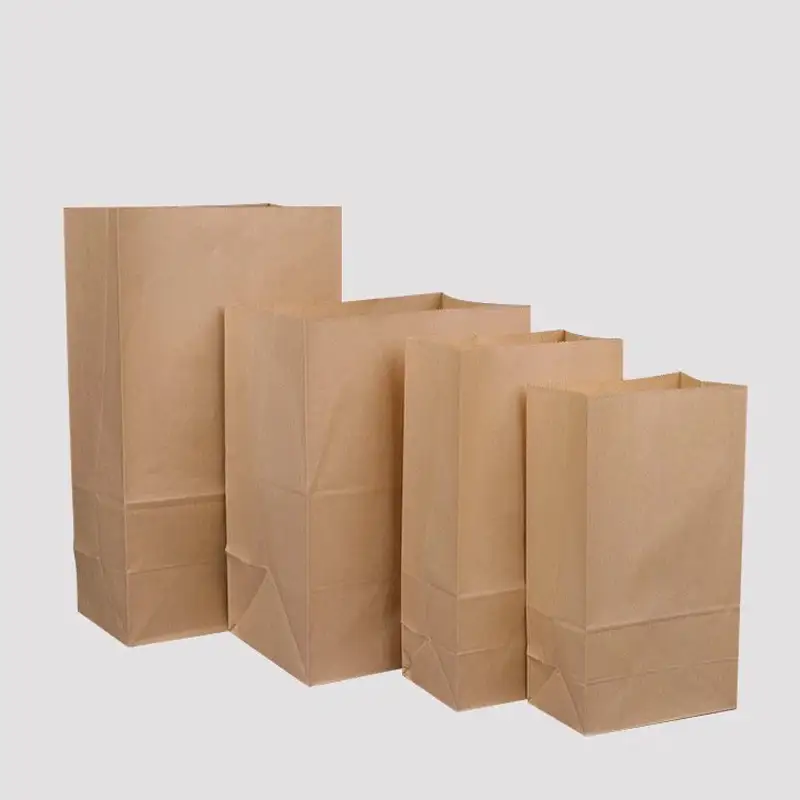
Аннотация
This document provides a comprehensive examination of the methodology for popping popcorn in a standard paper bag using a microwave oven. It delineates the scientific principles governing the volumetric expansion of Zea mays everta kernels, including the roles of internal moisture, the pericarp’s structural integrity, and the physics of microwave radiation. The analysis extends to a critical evaluation of material safety, emphasizing the necessity of employing certified food-grade paper bags to mitigate risks associated with non-compliant materials, such as chemical leaching and flammability. Three primary fire hazards are systematically identified and deconstructed: the use of inappropriate bag materials, the phenomenon of thermal runaway from overcooking, and the improper application of lipids with low smoke points. The text articulates a precise, step-by-step protocol for safe and effective preparation. It also explores methods for customization and provides a comparative analysis against commercial microwave popcorn products, focusing on health, cost, and control over ingredients. The objective is to equip the reader with the theoretical knowledge and practical skills necessary for a safe, successful, and healthful outcome.
Основные выводы
- Always use a new, plain brown paper bag confirmed to be food-grade and microwave-safe.
- Listen for popping to slow to 2-3 seconds between pops to prevent scorching and fire.
- Use no more than a half teaspoon of a high-smoke-point oil per quarter cup of kernels.
- Master the technique of how to pop popcorn in a paper bag in the microwave for a healthier snack.
- Fold the top of the bag over twice securely to contain steam and prevent kernels escaping.
- Never leave the microwave unattended while the popcorn is popping.
- Adjust cooking time for your specific microwave, starting with a lower duration.
Оглавление
- A Foundational Inquiry: The Science of the Pop
- The Question of the Vessel: Choosing a Safe Paper Bag
- Identifying and Mitigating the Three Core Fire Hazards
- Hazard One: The Perils of an Improperly Selected Bag
- Hazard Two: The Runaway Reaction of Overcooking
- Hazard Three: The Volatility of Fats and Oils
- A Methodical Guide: How to Pop Popcorn in a Paper Bag in the Microwave
- The Art of Customization: Elevating Your Homemade Popcorn
- Frequently Asked Questions
- A Concluding Thought on a Simple Pleasure
- Ссылки
A Foundational Inquiry: The Science of the Pop
Before we embark on the practical steps of preparing this classic snack, a deeper appreciation can be gained by first understanding the remarkable transformation a popcorn kernel undergoes. This is not merely cooking; it is a small, controlled explosion, a fascinating event rooted in physics and material science. What exactly happens inside that tiny, hard shell?
The popcorn kernel, a specific variety of flint corn known as Zea mays everta, is a marvel of natural engineering. Each kernel is composed of three primary parts: the pericarp, the germ, and the endosperm. For our purposes, the pericarp and the endosperm are the principal actors.
The pericarp is the hard, translucent outer shell. Its key characteristic is its exceptional ability to resist moisture permeability. This is not a flaw; it is its function. It acts as a natural pressure vessel. Inside the pericarp lies the endosperm, which is a dense package of hard, starchy material. Vitally, trapped within this starchy matrix is a small, precisely calibrated amount of water, typically around 13.5% to 14% by weight (Sweley et al., 2012). This moisture content is the absolute key to the entire process. If the kernel is too dry, there is insufficient water to create the necessary pressure. If it is too wet, the steam pressure builds too slowly or cannot be effectively contained, resulting in a subpar pop or no pop at all.
When you place the kernels in a microwave, the appliance bombards them with microwave radiation. Microwaves are a form of electromagnetic radiation that is particularly effective at agitating polar molecules, with water being the most prominent polar molecule in food. As the water molecules within the endosperm absorb this energy, they begin to vibrate billions of times per second. This rapid vibration generates friction, which in turn generates heat.
The temperature inside the kernel begins to climb rapidly. As the water heats past its boiling point of 100°C (212°F), it turns into steam. Because the pericarp is a sealed container, this steam cannot escape. Consequently, the pressure inside the kernel begins to build to an immense level, reaching as high as 930 kPa or 135 psi, a pressure comparable to that found in a high-pressure steam boiler (Hoseney et al., 1983).
Simultaneously, the intense heat is having another effect on the endosperm. The starch within begins to gelatinize, transforming from a hard, crystalline structure into a soft, amorphous, almost molten state. Think of it as the starch becoming a superheated, pliable goo.
The process reaches its dramatic climax when the internal pressure overcomes the structural integrity of the pericarp. The pericarp ruptures, typically at a temperature of around 180°C (356°F). This sudden, catastrophic failure of the pressure vessel causes an instantaneous drop in pressure. The superheated water flashes into steam, expanding in volume over 1,600 times in a fraction of a second. This violent expansion turns the gelatinized starch inside-out, puffing it up into the familiar, irregular white shape we know as popcorn. The characteristic “pop” sound is the result of the steam escaping and the pericarp fracturing.
The shape of the popped kernel, whether the large, irregular “butterfly” or “snowflake” type ideal for catching butter, or the denser, more durable “mushroom” type used for candy coatings, is determined by the genetics of the corn variety. The entire process, from kernel to flake, occurs in less than a tenth of a second once the rupture begins. Understanding this delicate balance of moisture, heat, and pressure is not just academic; it directly informs the method of how to pop popcorn in a paper bag in the microwave, especially concerning timing and the prevention of scorching.
The Question of the Vessel: Choosing a Safe Paper Bag
The central component of this method, aside from the popcorn itself, is the paper bag. The selection of this vessel is not a trivial matter of convenience; it is the most significant decision you will make regarding the safety and quality of your final product. The microwave is an efficient heating device, but it is indiscriminate in what it heats. Any material placed inside, including the bag, will be subjected to intense electromagnetic energy. Therefore, the composition of the bag is of paramount importance.
A common household mistake is to grab any available paper bag, such as a lunch sack from a multipack or one brought home from a grocery store. This action introduces significant and unnecessary risks. Many commercial paper bags are not designed for the intense, dry heat of a microwave and may contain materials that are hazardous when heated.
| Bag Type | Common Materials & Additives | Potential Microwave Hazards | Safety Verdict |
|---|---|---|---|
| Standard Lunch Bag | Often contains recycled paper fibers, adhesives (glues), inks. | Recycled fibers can contain trace metal fragments, creating sparks (arcing). Glues may release toxic fumes. Inks can vaporize and deposit on food. High risk of ignition. | Unsafe |
| Grocery Store Bag | Thick, often made from recycled content. Strong adhesives used for handles and seams. Heavy printing with various inks. | High concentration of recycled fibers and adhesives increases fire risk. The thickness can trap heat unevenly, leading to scorching and ignition. Inks pose a contamination risk. | Unsafe |
| Bags with Staples | Metal staples are sometimes used for reinforcement or sealing. | Metal reflects microwaves, causing arcing (sparks) that can immediately ignite the paper bag and potentially damage the microwave’s magnetron. | Extremely Unsafe |
| Bags with Plastic Windows | Some bakery or specialty bags have a clear plastic window for viewing contents. | The plastic window will melt at microwave temperatures, potentially dripping molten plastic onto your food and releasing harmful fumes. It is a significant fire hazard. | Unsafe |
| Certified Food-Grade Bag | Made from 100% virgin wood pulp. No recycled content, no unsafe glues, no inks, no metal. Designed for direct food contact. | Minimal. Made of pure cellulose, which is transparent to microwaves. Low risk of off-gassing or ignition when used correctly. Meets 2025 food safety standards. | Safe |
The only appropriate choice is a plain brown paper bag that is explicitly designated as “food-grade” or “microwave-safe.” These bags, often available from restaurant supply stores or online, are manufactured with the specific intention of coming into contact with food under various conditions. Reputable suppliers of экологичные бумажные пакеты ensure their products are made from virgin pulp and are free from the contaminants that make other bags hazardous. The fibers are pure cellulose, a material that is largely transparent to microwaves, meaning the energy passes through the bag to heat the kernels inside, rather than heating the bag itself.
When you use a non-food-grade bag made from recycled paper, you are introducing a lottery of unknown materials. Recycled paper can contain microscopic fragments of metal from staples, foil, or other contaminants from the recycling stream. When these metal fragments are exposed to microwaves, they can cause a phenomenon called arcing—a small electrical spark. A single spark is all it takes to ignite a dry paper bag, leading to a fire inside your microwave.
Furthermore, the glues used to construct standard bags are not tested for heat safety. When microwaved, these adhesives can break down and release volatile organic compounds (VOCs), which can be both toxic and impart an unpleasant chemical taste to your popcorn. Similarly, the inks used for logos and text on grocery or lunch bags are not food-safe and can vaporize, contaminating your snack. For a deeper dive into material safety, can you put a paper bag in the microwave is a good starting point for anyone concerned with kitchen safety.
In 2025, with heightened awareness around food safety and chemical contaminants, the use of a certified food-grade bag is not just a recommendation; it is a fundamental requirement for this method. It ensures that the only thing you are tasting is the pure, delicious flavor of popcorn, unadulterated by industrial chemicals or the acrid taste of scorched paper.
Identifying and Mitigating the Three Core Fire Hazards
The allure of making popcorn in a paper bag is its simplicity and the perception of it as a healthier alternative. However, this simplicity can mask genuine risks if not approached with knowledge and respect for the process. A microwave fire, while uncommon, is a serious event that can damage your appliance and release toxic smoke into your home. The vast majority of incidents that occur when people attempt to pop popcorn in a paper bag can be traced back to one of three fundamental errors. By understanding these hazards at a chemical and physical level, we can effectively eliminate them.
Hazard One: The Perils of an Improperly Selected Bag
As we have established, the choice of the bag is the single most consequential factor for safety. The dangers posed by an incorrect bag are twofold: chemical contamination and ignition. Let us examine the ignition risk more closely.
A paper bag’s ignition point—the temperature at which it will spontaneously combust without a direct flame—is approximately 233°C (451°F). This might seem high, but a microwave does not heat evenly. It creates a pattern of standing waves, resulting in “hot spots” and “cold spots” within the cooking chamber. An unpopped kernel, or a small pile of them, sitting in one of these hot spots can become superheated well beyond the popping temperature of 180°C.
If that superheated kernel is in direct contact with a paper bag laden with impurities, the risk of fire increases exponentially. Consider the components of a recycled paper bag:
- Residual Lignin: Virgin paper pulp is bleached to remove lignin, a natural polymer in wood that yellows and becomes more flammable over time. Recycled papers often have higher lignin content, lowering their ignition temperature.
- Sizing Agents: Chemicals called sizing agents are added to paper to control its absorbency. Some of these, particularly older rosin-based sizes, can become flammable when subjected to intense, dry heat.
- Trace Contaminants: As mentioned, the recycling process is not perfect. Microscopic flecks of plastic, ink residue, and metal can be embedded in the paper. The metal causes arcing, and the plastic or ink can act as a low-temperature fuel source, igniting far sooner than the paper itself.
When one of these contaminants in a hot spot reaches its ignition point, it acts as a fuse, setting fire to the surrounding paper. The presence of any oil on the popcorn kernels can then act as an accelerant, turning a small smolder into an active fire within seconds.
Mitigation Strategy: This hazard is 100% preventable. The mitigation is absolute and simple: exclusively use a new, plain, unmarked, certified food-grade paper bag. Do not attempt to reuse bags, as they can accumulate oils from previous batches, which lowers their ignition point. Do not use bags with any form of printing, handles, or plastic components. The cost of a proper food-grade bag is negligible compared to the risk of an appliance fire. When in doubt, do not proceed. The integrity of the vessel is the foundation of safety for this entire method.
Hazard Two: The Runaway Reaction of Overcooking
This is perhaps the most common error, born from the desire to pop every last kernel. It is a goal that is not only unachievable but also dangerous. The process of popping popcorn follows a curve of diminishing returns. In the beginning, pops are infrequent. They build to a rapid crescendo where many kernels are popping every second. Then, the rate of popping begins to slow down. This final phase is the most critical window for safety.
What is happening during this slowdown? The kernels that were best positioned in the microwave’s energy fields, with the ideal moisture content, have already popped. The remaining unpopped kernels, often called “old maids,” are either too dry to build sufficient pressure, have a compromised pericarp that leaks steam, or are sitting in a relative cold spot of the microwave.
If you continue to microwave past the point where popping has slowed to one pop every 2-3 seconds, you are no longer efficiently popping corn. Instead, you are doing two dangerous things:
- Scorching the Popped Corn: The delicate, expanded flakes of popped corn are now mostly dehydrated. They absorb microwave energy very differently from the water-rich kernels. They begin to scorch, turning brown, releasing acrid smoke, and eventually igniting. The smoke point of the popcorn flake itself is quite low.
- Superheating the “Old Maids”: The unpopped kernels continue to absorb energy. Lacking the moisture to pop, this energy simply raises their temperature. They can become incredibly hot, far exceeding the 233°C (451°F) ignition point of the paper bag. They become, in effect, tiny pieces of charcoal glowing in a paper bag. If one of these superheated kernels is in contact with a slightly scorched piece of popcorn or a weak spot in the paper, it can trigger a fire.
This is a form of thermal runaway. The heat from the scorching popcorn and superheated kernels raises the ambient temperature in the bag, which in turn accelerates the scorching of other pieces, creating a feedback loop that can quickly lead to combustion.
Mitigation Strategy: This hazard is mitigated through attentiveness and abandoning the quest for a 100% pop rate.
- Listen Carefully: Your ears are the most important safety tool. Stand by the microwave and listen. When the frantic popping slows to a steady rhythm of 2 to 3 seconds between pops, the process is complete. Stop the microwave immediately.
- Know Your Microwave: Every microwave is different. Note the time it takes to reach this 2-3 second interval. For future batches, you can set the timer for slightly less than this duration and add 10-second increments if needed, listening carefully the entire time.
- Accept a Few Unpopped Kernels: It is normal and expected to have some unpopped kernels. A small number of “old maids” at the bottom of the bag is a sign of a correctly timed batch, not a failure. The risk of trying to pop them is never worth the reward.
Never, under any circumstances, walk away from the microwave while popcorn is popping. The entire process takes only a few minutes, and your undivided attention during that short time is the primary defense against overcooking and fire.
Hazard Three: The Volatility of Fats and Oils
While one of the benefits of this method is the ability to make fat-free popcorn, many people enjoy the flavor and texture that a small amount of oil provides. Adding oil, however, introduces a new variable and a new potential hazard: the oil itself can become the fuel for a fire.
Every fat and oil has a “smoke point,” the temperature at which it begins to break down and produce a continuous bluish smoke. Heating an oil beyond its smoke point not only creates unpleasant, acrid flavors and harmful free radicals, but it also brings the oil closer to its flash point—the temperature at which its vapors can be ignited by a source like an arcing spark.
| Fat / Oil | Smoke Point (Unrefined) | Smoke Point (Refined) | Suitability for Microwave Popcorn |
|---|---|---|---|
| Butter | 150°C / 302°F | N/A | Poor. Smoke point is too low. Prone to scorching and burning. Best added after popping. |
| Extra Virgin Olive Oil | 160°C / 320°F | 210°C / 410°F | Poor (Unrefined). Low smoke point. Acceptable (Refined), but other oils are better. |
| Coconut Oil | 177°C / 350°F | 232°C / 450°F | Good (Refined). High smoke point and pleasant flavor. A popular choice. |
| Canola Oil | 107°C / 225°F | 204°C / 400°F | Poor (Unrefined).Good (Refined), neutral flavor and high smoke point. |
| Avocado Oil | 204°C / 400°F | 271°C / 520°F | Excellent. Very high smoke point provides a large margin of safety. |
| Ghee (Clarified Butter) | 252°C / 485°F | N/A | Excellent. High smoke point with a rich, buttery flavor. Milk solids have been removed. |
The problem arises when either too much oil is used or an oil with a low smoke point (like butter or unrefined olive oil) is chosen. A pool of oil at the bottom of the bag, especially if it is in a microwave hot spot, can quickly exceed its smoke point. The oil-soaked paper now has a much lower ignition temperature. If a superheated kernel or a spark from arcing occurs, this oil-soaked paper can ignite very aggressively.
Using too much oil is a common mistake. It does not necessarily lead to better-tasting popcorn; it only increases the risk. The goal is to lightly coat the kernels, not to create a puddle for them to sit in.
Mitigation Strategy: This hazard is managed through careful selection and portion control of the oil.
- Choose a High-Smoke-Point Oil: Opt for oils like refined coconut oil, avocado oil, canola oil, or ghee. These can withstand the high temperatures inside the bag without breaking down and becoming a fire risk. Avoid butter and unrefined oils for the popping process; they are best added as a topping after the corn is popped.
- Use Oil Sparingly: A little goes a long way. For a standard quarter cup of kernels, use no more than half a teaspoon of oil. The purpose of the oil during popping is primarily to help seasonings adhere and to add a subtle richness, not to deep-fry the kernels.
- Toss to Coat: After adding the kernels and oil to the bag, close the top and shake it vigorously for several seconds. This ensures a thin, even coating on each kernel rather than a pool of oil at the bottom of the bag. This distribution of the fat is a key safety practice.
By understanding the distinct nature of these three hazards and diligently applying their respective mitigation strategies, you transform the process of how to pop popcorn in a paper bag in the microwave from a game of chance into a reliable, safe, and repeatable scientific method for producing a superior snack.
A Methodical Guide: How to Pop Popcorn in a Paper Bag in the Microwave
Having explored the underlying science and the critical safety considerations, we can now synthesize this knowledge into a clear, step-by-step procedure. Following this method precisely will consistently yield light, fluffy, delicious popcorn while ensuring a safe kitchen environment.
Step 1: Assemble Your Materials
Before beginning, gather your three essential components. Precision at this stage prevents mistakes later.
- Popcorn Kernels: Choose a high-quality popcorn. For this method, a standard yellow or white butterfly kernel works exceptionally well. Measure out ¼ cup (approximately 50 grams) of kernels. This is a suitable amount for a standard lunch-sized paper bag and will yield about 6-7 cups of popped corn. Do not be tempted to add more; overcrowding the bag can inhibit popping efficiency and create a safety hazard.
- A Food-Grade Paper Bag: As detailed previously, this is non-negotiable. You need one standard, plain brown paper bag, approximately 15 cm x 28 cm x 10 cm (6 in x 11 in x 4 in). Inspect the bag to ensure it is clean, dry, and has no holes, tears, or any metal components.
- Oil & Salt (Optional): If you are using oil, select one with a high smoke point. Measure out ½ teaspoon of oil. For salt, measure ¼ to ½ teaspoon of fine-grained salt. Using fine-grained salt helps it adhere better to the kernels.
Step 2: Combine the Ingredients
This is a simple but important step. The order and method matter.
- Open the paper bag and stand it upright on the counter.
- Pour the ¼ cup of popcorn kernels directly into the bottom of the bag.
- If using oil and salt, add them now. Drizzle the ½ teaspoon of oil over the kernels, then sprinkle the salt on top. Adding the salt now helps it infuse the popcorn as it pops.
Step 3: Secure the Bag
Properly sealing the bag is crucial for building the steam pressure necessary for a good pop and for preventing hot kernels and steam from escaping into your microwave.
- Take the open top of the bag and fold it over crisply on itself. The fold should be about 2 cm (¾ inch) wide.
- Make a second, identical fold in the same direction, tightly creasing the paper. This double fold creates a secure, but not airtight, seal. It is strong enough to contain the popping corn but will allow excess steam to vent, preventing the bag from bursting.
- Do not use tape, staples, paper clips, or any other fastener. The folds alone are sufficient. After folding, give the bag a vigorous shake for 10-15 seconds. This serves to distribute the oil and salt evenly over all the kernels.
Step 4: The Microwave Process
This is the active phase where your full attention is required.
- Place the bag in the center of your microwave’s turntable, ensuring it is standing upright. The bag should be able to rotate freely without touching the sides or top of the microwave. If your microwave does not have a turntable, you will need to be extra vigilant, as hot spots are more pronounced.
- Set the power and time. For a standard 1000-watt microwave, a good starting point is 2 minutes and 30 seconds on high power. Do not use the “popcorn” button. These preset buttons are calibrated for the specific chemistry and mass of commercial microwave popcorn bags, which contain chemical susceptors (metallic films) to concentrate heat. These settings are far too aggressive for a simple paper bag and are a primary cause of scorching and fires (Lloyd & Ludescher, 2021). You are in manual control.
- Start the microwave and remain next to it. Do not leave the room.
Step 5: Listen and Observe
Your senses are your guide to perfection and safety.
- Listen: For the first minute, you may not hear much. Then, the popping will begin, slowly at first, then building to a rapid, continuous cascade of pops. This is the peak popping phase. Enjoy the sound.
- The Critical Slowdown: After the crescendo, the popping will begin to slow down. This is the moment to pay closest attention. Start counting the seconds between pops: “one-one-thousand, two-one-thousand…”
- Stop Promptly: As soon as you reach a consistent 2 to 3 seconds between pops, stop the microwave immediately. Do not try to get the last few kernels. The risk of burning the entire batch for the sake of a few kernels is not worth it. The total time can vary from 1.5 to 4 minutes depending on your microwave’s wattage and the freshness of your corn.
Step 6: The Final Steps
Handle the bag with care, as it will be filled with extremely hot steam.
- Let it Rest: Allow the bag to sit in the microwave for about 30 seconds. This allows the steam pressure to equalize slightly and reduces the risk of a steam burn when you open it.
- Open Carefully: Grasp the bag from the top corners, away from the main steam vent that will form. Open the bag by unrolling the folds, pointing the opening away from your face. A large plume of hot steam will escape.
- Serve: Pour the popcorn into a large bowl. You can now add melted butter, extra salt, or any other seasonings you desire. Enjoy your fresh, perfectly popped, and healthy snack.
By treating this simple recipe with the respect of a scientific procedure, you guarantee both safety and a delicious result every time you learn how to pop popcorn in a paper bag in the microwave.
The Art of Customization: Elevating Your Homemade Popcorn
One of the most rewarding aspects of mastering the paper bag method is the complete control it grants you over the final flavor profile. You are no longer tethered to the artificial butter and excessive sodium found in many commercial products. Instead, you have a blank canvas of warm, fluffy popcorn, ready to be transformed. The possibilities are limited only by your imagination and the contents of your spice rack.
The Foundation: Applying Toppings
The key to successful seasoning is adhesion. Spices will not stick to plain, dry popcorn. You need a binding agent, which is typically a fat.
- Melted Butter: The classic choice. For best results, use clarified butter (ghee) or melt unsalted butter slowly and skim off the milk solids that rise to the top. This removes the water and milk solids that can make popcorn soggy. A light drizzle of 2-3 tablespoons per batch is usually sufficient.
- High-Quality Oils: A drizzle of extra virgin olive oil, avocado oil, or a flavored nut oil (like walnut or pistachio) after popping can add complex, sophisticated notes.
- A Fine Mist: For a lower-fat option, you can use an oil mister to apply a very fine, even coating of your chosen oil. This provides just enough tackiness for seasonings to stick without adding significant calories.
- Citrus Juice: A light spritz of fresh lime or lemon juice can also work as a binding agent for certain savory profiles, adding a bright, acidic note.
The technique is simple: pour the popcorn into a large bowl, drizzle your chosen fat or liquid while tossing the popcorn gently, and then immediately sprinkle on your seasonings and toss again to coat evenly.
Savory Flavor Explorations
Move beyond simple salt and explore the world of savory seasonings.
- Classic Cheesy: Combine 3 tablespoons of nutritional yeast (which has a nutty, cheesy flavor), ½ teaspoon of garlic powder, ½ teaspoon of onion powder, and ½ teaspoon of smoked paprika. The nutritional yeast is a game-changer for healthy “cheese” popcorn.
- Herb Garden: Finely chop fresh herbs like rosemary, thyme, and parsley. Toss them with the hot popcorn, melted butter, and a generous amount of finely grated Parmesan or Pecorino Romano cheese.
- Spicy Chili-Lime: Mix 1 teaspoon of chili powder, ½ teaspoon of cumin, ¼ teaspoon of cayenne pepper (or to taste), and the zest of one lime. After tossing with the popcorn and a light oil, finish with a squeeze of fresh lime juice.
- Everything Bagel: Simply use 1-2 tablespoons of “Everything Bagel” seasoning, which typically contains poppy seeds, sesame seeds, dried garlic, dried onion, and coarse salt. It is a savory explosion.
- Truffle & Parmesan: A truly gourmet option. Drizzle with a high-quality truffle oil (a little goes a long way) and toss with finely grated Parmesan and a sprinkle of black pepper.
Sweet Indulgences
Making sweet popcorn at home is easier than you might think.
- Cinnamon Sugar: A simple classic. Mix 2 tablespoons of granulated sugar with 1 teaspoon of ground cinnamon. Toss with popcorn that has been lightly coated in melted butter.
- Kettle Corn Style: The key to kettle corn is adding the sugar during the popping process, which can be risky in a paper bag. A safer and equally delicious method is to make a quick simple syrup. Heat ¼ cup of water and ¼ cup of sugar in a small saucepan until the sugar dissolves. Drizzle this very lightly over the popped corn while tossing constantly, then spread the popcorn on a baking sheet to dry and crisp up. A sprinkle of salt provides the classic sweet-and-salty balance.
- Chocolate Drizzle: Melt a handful of good-quality dark or milk chocolate chips. Drizzle the melted chocolate over the popcorn spread on a baking sheet lined with parchment paper. Let it cool and harden completely before breaking it apart. A sprinkle of sea salt on the wet chocolate adds a wonderful contrast.
These are merely starting points. Think of your spice cabinet as a palette of potential flavors. Curry powders, Italian seasoning blends, Cajun spices, or even powdered ranch dressing can all create unique and memorable popcorn experiences. Experimentation is part of the fun, transforming a simple method into a culinary art form.
Frequently Asked Questions
Q1: Can I reuse the paper bag for another batch of popcorn?
It is strongly advised not to reuse the paper bag. During the popping process, oils from the kernels (and any added oil) can soak into the paper fibers. This lowers the ignition temperature of the paper, making it more susceptible to charring and catching fire on subsequent uses. Each new batch should start with a fresh, clean, food-grade bag to ensure safety.
Q2: Why did my popcorn burn even though I followed the time instructions?
Microwave wattages vary significantly, from compact 700-watt models to powerful 1200-watt units. The time instructions are only a guideline. The most reliable method is to listen for the pops to slow down to one every 2-3 seconds. Also, avoid using the preset “popcorn” button, as it is calibrated for commercial bags with heat-concentrating susceptors and is too powerful for this method.
Q3: Is it possible to make popcorn in a paper bag without any oil?
Absolutely. Making oil-free popcorn is one of the primary health benefits of this method. Simply place the kernels in the bag without any oil or salt and proceed with the microwave instructions. The resulting popcorn will be light and airy. Note that dry seasonings will not adhere well to oil-free popcorn. A light spritz of water, lime juice, or even soy sauce can be used to slightly dampen the surface before seasoning.
Q4: What’s the difference between yellow and white popcorn kernels?
The primary differences are size, texture, and hull. Yellow popcorn tends to produce larger, more robust flakes with a slightly more pronounced “corny” flavor and a yellowish hue. White popcorn produces smaller, more tender and delicate flakes with a whiter color. The hulls of white popcorn are often thinner and less noticeable after popping. Both work equally well with the paper bag method; the choice is a matter of personal preference.
Q5: Can I use a stapler or tape to seal the bag more securely?
No, never use metal or tape. Metal, including staples or paper clips, will arc and spark in the microwave, which will ignite the paper bag and can cause serious damage to your appliance. The adhesive on most tapes is not heat-proof or food-safe and can melt or release harmful fumes when microwaved. A simple double fold at the top of the bag is sufficient to contain the popcorn while allowing excess steam to vent safely.
Q6: My bag opened or burst in the microwave. What did I do wrong?
This usually happens for one of two reasons. First, you may have overfilled the bag. A quarter cup of kernels expands to fill about 6-7 cups; using more can physically burst the bag. Second, you may have sealed the bag too tightly, preventing steam from venting. The double-fold method creates a seal that is secure but not airtight, which is the correct balance.
Q7: Why are some kernels left unpopped?
It is perfectly normal to have a few unpopped kernels, or “old maids.” This can be due to individual kernels having an imperfect pericarp (the shell) that leaks steam before sufficient pressure can build, or having an incorrect moisture content (too high or too low). Trying to pop these last few kernels is the primary cause of burnt popcorn and is a fire risk. Accepting a small number of unpopped kernels is a sign of a correctly timed, safe batch.
A Concluding Thought on a Simple Pleasure
The act of transforming a handful of hard, inert kernels into a bowl of light, aromatic popcorn is a small piece of everyday magic. By approaching the process not as a mere convenience but as a practical application of science, we elevate it. The method of how to pop popcorn in a paper bag in the microwave, when executed with an understanding of the materials, the physics of heat and pressure, and the potential hazards, becomes a reliable and deeply satisfying ritual. It is an exercise in mindfulness—requiring you to listen, to be present, and to respect the process. It empowers you to take control of your food, stripping away the unnecessary chemicals and excessive sodium of processed alternatives and replacing them with wholesome ingredients and flavors of your own choosing. It is a healthier, more economical, and ultimately more rewarding way to enjoy one of the world’s most beloved snacks.
Ссылки
Hoseney, R. C., Zeleznak, K., & Abdelrahman, A. (1983). Mechanism of popcorn popping. Journal of Cereal Science, 1(1), 43–52. (83)80006-3
Lloyd, M. A., & Ludescher, R. D. (2021). Seeing the light: The physics and chemistry of microwave popcorn. ACS Food Science & Technology, 1(6), 885–889.
Nanwang Paper Packaging. (2025). Customized paper packaging supplier. Nanwang. https://www.nanwangpaperbag.com/
Sweley, J. C., Rose, D. J., & Jackson, D. S. (2012). Quality traits and popping performance of popcorn hybrids. Journal of Cereal Science, 55(3), 309–315.