








 ES
ES  EN
EN  PT
PT  FR
FR  RU
RU El sector mundial del embalaje está experimentando un cambio de paradigma de gran envergadura. Nos estamos alejando rápidamente del modelo lineal tradicional y derrochador de «tomar, fabricar y desechar» y avanzamos hacia una verdadera economía circular: un sistema diseñado para minimizar los residuos y maximizar el valor de los recursos mediante la reutilización y el reciclaje continuos.
Esta transición es especialmente notable en el sector minorista y envases para el sector de la restauración sectores en los que la demanda de los consumidores, los avances tecnológicos y las nuevas normativas más estrictas están acelerando la adopción de alternativas basadas en el papel y la fibra.
Perspectivas del mercado: el crecimiento de los envases de papel con bajas emisiones de carbono
| Métrica de previsión | Valor de mercado / Tasa de crecimiento | Factores clave |
| Valoración de mercado en 2026 | US$69,2 mil millones | Legislación contra el plástico, requisitos corporativos en materia de ESG |
| Valoración prevista para 2034 | US$127,1 mil millones | Expansión del comercio electrónico, auge de la entrega de comida a domicilio |
| Tasa de crecimiento anual compuesta (CAGR) | 7.9% | Avances en la ciencia de los materiales, ampliación de los recubrimientos de barrera |
Los envases de papel se han convertido oficialmente en la piedra angular del comercio mundial sostenible.
Principios de la economía circular: por qué el papel sale ganando
La economía circular se sustenta firmemente en tres pilares fundamentales: reducir, reutilizar y reciclar. Los envases de papel encajan a la perfección con los tres:
- Abastecimiento de energía renovable: A diferencia de los plásticos derivados de combustibles fósiles, el papel se obtiene a partir de fibra de madera procedente de bosques gestionados de forma sostenible. La certificación del Forest Stewardship Council (FSC) garantiza unas prácticas forestales responsables que protegen activamente la biodiversidad local.
- Diseñado para ser reciclable: Los marcos normativos actuales exigen que los envases se diseñen pensando en su reciclaje desde el principio. El papel puede transformarse sin dificultad en pasta de papel y reutilizarse para fabricar nuevos productos, cerrando así el ciclo de forma efectiva. Al centrarse en diseños de envases monomateriales provistos de recubrimientos compatibles con el reciclaje, los fabricantes están logrando una verdadera circularidad de los materiales.
- Reducción sustancial del uso de plástico: Las soluciones avanzadas de «papel en lugar de plástico» logran ahora reproducir con éxito las propiedades funcionales fundamentales que antes eran exclusivas de los plásticos —como la protección de barrera, la resistencia a la grasa y la tolerancia al calor—, al tiempo que se integran perfectamente en los flujos municipales de reciclaje de papel ya existentes.
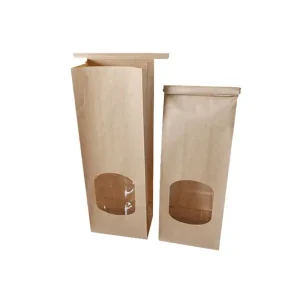
El catalizador normativo: los requisitos sobre reactores de agua a presión (PPWR) (2025-2030)
La sostenibilidad empresarial voluntaria ya no es el único motor; unas normativas globales estrictas están imponiendo legalmente este cambio. La histórica normativa de la Unión Europea Reglamento sobre envases y residuos de envases (PPWR) entró oficialmente en vigor el 11 de febrero de 2025, y sus disposiciones generales se aplicaron de forma generalizada a partir de 12 de agosto de 2026.
Para ayudar a las marcas a orientarse en este panorama, los principales requisitos legales, objetivos y plazos se estructuran de la siguiente manera:
Objetivos y plazos reglamentarios de la UE en materia de PPWR
| Ámbito de actuación en materia de regulación | Requisito legal clave y objetivo | Calendario de ejecución |
| Obligación de reciclabilidad | Los productos de embalaje 100% deben ser reciclables desde su diseño | Aplicación inmediata |
| Objetivo relativo a los residuos generales | El 65% del total de residuos de envases combinados debe reciclarse íntegramente | Para finales de 2025 |
| Reciclaje de papel y cartón | Alcanzar una tasa de reciclaje del 75% (2025) $\rightarrow$ Tasa de reciclaje del 85% (2030) | 2025-2030: Implantación gradual |
| Grado mínimo de reciclabilidad | Todos los envases deben alcanzar una eficiencia de reciclabilidad de al menos 70%. | A partir de 2030 |
| Responsabilidad ampliada del productor (RAP) | Los fabricantes están obligados, tanto desde el punto de vista legal como financiero, a financiar la recogida y la clasificación. | Activo / En curso |
Estas normas de amplio alcance están obligando a las marcas a abandonar los plásticos complejos de varias capas y a optar por estructuras de papel monomaterial, limpias y respetuosas con el medio ambiente.
Transformando los envases para el comercio minorista y la restauración
Tanto en el sector minorista como en el de la restauración, los envases de papel aportan beneficios circulares inmediatos y tangibles en diversas aplicaciones comerciales cotidianas:
Aplicaciones específicas para cada sector y perfiles de rendimiento
| Sector del embalaje | Aplicación principal | Beneficios funcionales y ventajas de la economía circular |
| Envases para venta al por menor | Bolsas de la compra de alta resistencia | Fabricado íntegramente con fibra 100%; ofrece una excelente reutilización y evita los problemas de clasificación. |
| Envases para venta al por menor | Papel Kraft protector | Sustituye de forma eficaz al plástico de burbujas y a las almohadillas de aire; ofrece un envoltorio y una protección superiores. |
| Envases para venta al por menor | Impresión directa sobre papel | Utiliza impresión flexográfica y tintas al agua; elimina las etiquetas de plástico y mantiene la pureza de los flujos de materiales. |
| Servicio de comidas | Envoltorios protectores sin PFAS | Sustituye los «químicos eternos» por recubrimientos ecológicos avanzados; ofrece una elevada resistencia al aceite y a la grasa. |
| Servicio de comidas | Barreras contra la grasa a base de fibra | Utiliza estructuras de fibra natural de diseño muy preciso, en lugar de capas de acabado químicas, para envoltorios de corta duración. |
| Servicio de comidas | Papeles de horno resistentes a altas temperaturas | Papeles recubiertos de silicona que resisten sin problemas temperaturas de hasta 446 °F (230 °C); facilita la gestión ecológica de los residuos. |
Superar los retos mediante la innovación en los materiales
La sustitución del plástico no está exenta de obstáculos. Garantizar la resistencia a la humedad, mantener la resistencia a la tracción, gestionar los costes de producción y asegurar que los recubrimientos de barrera sean totalmente reciclables son retos constantes para el sector. Sin embargo, la ciencia de los materiales de vanguardia está aportando soluciones a gran velocidad:
- Ingeniería avanzada de fibras: Las técnicas de aligeramiento de peso están permitiendo crear estructuras de papel más finas y resistentes que requieren menos materia prima, pero ofrecen un mayor rendimiento.
- Recubrimientos poliméricos de origen biológico: La integración de la tecnología PHA (polihidroxialcanoato) permite que los vasos y cuencos de papel se degraden de forma natural en entornos normales, lo que elimina la necesidad de contar con una infraestructura industrial de compostaje estricta.
- Formulaciones a base de agua: Las nuevas tintas a base de agua y los recubrimientos de barrera protegen la integridad del proceso de fabricación de pasta de papel reciclada, al tiempo que cumplen de forma segura los rigurosos requisitos internacionales de seguridad en materia de contacto con alimentos.
En definitiva, para ganar la batalla contra los residuos es necesaria una estrecha colaboración a lo largo de toda la cadena de valor, desde el abastecimiento de materias primas certificadas hasta la experiencia en la transformación.
Nanwang: a la vanguardia de la transición mundial hacia el papel
A la vanguardia absoluta de esta evolución ecológica se encuentra Fujian Nanwang Environment Protection Sci-Tech Co., Ltd. (Código bursátil: 301355). Como primera empresa que cotiza en bolsa en China… bolsa de papel ecológica En el sector, Nanwang cuenta con cinco grandes centros de fabricación nacionales, además de dos filiales en expansión en el extranjero, situadas en Indonesia y Canadá, y abastece a marcas internacionales de primer nivel en más de 200 países.
El compromiso riguroso y basado en datos de Nanwang con la economía circular establece el estándar de referencia para la fabricación moderna:
- Abastecimiento certificado 100%: Las cinco plantas de fabricación principales de Nanwang cuentan con orgullo con la prestigiosa Certificación de la cadena de custodia del FSC, garantizando un seguimiento impecable de la cadena de suministro.
- Despliegue agresivo de las energías renovables: Más de 65% de la superficie total de los tejados de la empresa están cubiertos con paneles solares fotovoltaicos (FV) de última generación. Solo las plantas del norte y del sur de Fujian generan 8,32 millones de kWh de electricidad limpia al año, lo que cubre con éxito el 40% de la demanda eléctrica total de las fábricas.
- Recuperación de calor residual industrial: Al recuperar 1.128,6 TJ de energía térmica al año, Nanwang reduce sus emisiones de $CO_2$ en 775 toneladas anuales, lo que supone una compensación medioambiental equivalente a plantar 1.059 árboles maduros.
- Innovación de producto galardonada: Nanwang diseña siguiendo la filosofía «100%: reciclable y biodegradable». Entre sus principales avances se incluyen:
- Bolsa de papel impermeable y autosellante: Ganador del codiciado Premio de Oro al Desarrollo del Potencial de Mercado en los World Packaging Awards 2025.
- Vasos de papel con recubrimiento sin PFAS: Ofrece un rendimiento inigualable como barrera contra los líquidos sin dejar residuos químicos.
- Vajilla con recubrimiento de PHA: Vasos, cuencos y cubos totalmente biodegradables y con emisiones de carbono ultrabajas.
- Soluciones de comercio electrónico «Paper-for-Plastic»: Alternativas duraderas y de gran capacidad diseñadas específicamente para los sectores mundial de la confección y la logística.
- Transparencia en el rendimiento en materia de ESG: En su innovador Informe de Sostenibilidad de 2026, Nanwang reveló que un impresionante 93,6% de sus residuos de fabricación no peligrosos (más de 10 700 toneladas) se recicla íntegramente, todo ello sin haber cometido ninguna infracción medioambiental.
Conclusión: La elección circular es clara
Dado que la normativa legal se está endureciendo rápidamente y que las preferencias de los consumidores a nivel mundial se inclinan claramente hacia la transparencia medioambiental, los envases de papel ya no son solo una alternativa, sino el camino definitivo a seguir. Se trata de una solución probada, renovable, altamente escalable y cada vez más eficaz.
Para los minoristas y los operadores del sector de la restauración actuales, el debate sobre los envases sostenibles ya está zanjado. La cuestión ya no es si deberías hacer la transición, pero cuándo y cómo. Gracias a una infraestructura de reciclaje global ya consolidada, a unas tecnologías de barrera en rápida evolución y a socios fabricantes de primer nivel como Nanwang, el embalaje de papel está llamado a convertirse oficialmente en el estándar mundial indiscutible.
¿Buscas soluciones certificadas de embalaje de papel para el sector B2B?
¿Estás preparado para adaptar tu marca a las próximas exigencias de la PPWR de 2026 y ampliar tu transición hacia los envases sostenibles? Como líder en el sector fabricante mayorista de bolsas de papel ecológicas, Nanwang ofrece soluciones OEM/ODM personalizadas y con certificación FSC para marcas internacionales del sector minorista y de la restauración.