








 PT
PT  EN
EN  ES
ES  FR
FR  RU
RU A indústria global de embalagens está a passar por uma enorme mudança de paradigma. Estamos a afastar-nos rapidamente do modelo linear tradicional e desperdiçador de «retirar-fabricar-descartar» e a avançar rumo a uma verdadeira economia circular — um sistema concebido para minimizar o desperdício e maximizar o valor dos recursos através da reutilização e reciclagem contínuas.
Esta transição é mais acentuada no setor do retalho e embalagens para o setor da restauração setores, onde a procura dos consumidores, os avanços tecnológicos e as novas regulamentações rigorosas estão a acelerar a adoção de alternativas à base de papel e fibra.
Perspetivas de mercado: Crescimento das embalagens de papel com baixo teor de carbono
| Métrica de previsão | Valor de mercado / Taxa de crescimento | Principais fatores impulsionadores |
| Avaliação de mercado em 2026 | US$69,2 mil milhões | Legislação contra o plástico, requisitos corporativos em matéria de ESG |
| Avaliação prevista para 2034 | US$127,1 mil milhões | Expansão do comércio eletrónico, boom das entregas de comida |
| Taxa de Crescimento Anual Composta (CAGR) | 7.9% | Avanços na ciência dos materiais, dimensionamento de revestimentos de barreira |
As embalagens de papel tornaram-se oficialmente a pedra angular do comércio global sustentável.
Princípios da economia circular: por que razão o papel se destaca
A economia circular assenta firmemente em três pilares fundamentais: Reduzir, Reutilizar e Reciclar. As embalagens de papel enquadram-se perfeitamente nestes três pilares:
- Abastecimento a partir de fontes renováveis: Ao contrário dos plásticos à base de combustíveis fósseis, o papel provém de fibra de madeira proveniente de florestas geridas de forma sustentável. A certificação do Forest Stewardship Council (FSC) garante práticas florestais responsáveis que protegem ativamente a biodiversidade local.
- Concebido para ser reciclável: Os quadros regulamentares modernos exigem que as embalagens sejam concebidas, desde o início, a pensar na reciclagem. O papel pode ser facilmente transformado em pasta de papel e reutilizado na fabricação de novos produtos, fechando efetivamente o ciclo. Ao apostarem em designs de embalagens monomateriais dotados de revestimentos compatíveis com a reciclagem, os fabricantes estão a alcançar uma verdadeira circularidade dos materiais.
- Redução significativa do uso de plástico: As soluções avançadas de substituição do plástico pelo papel conseguem agora reproduzir com sucesso as propriedades funcionais essenciais que antes eram exclusivas dos plásticos — tais como a proteção de barreira, a resistência à gordura e a tolerância ao calor —, integrando-se simultaneamente de forma perfeita nos fluxos municipais de reciclagem de papel já existentes.
O catalisador regulatório: Metas para as centrais PPWR (2025-2030)
A sustentabilidade empresarial voluntária já não é o único fator impulsionador; regulamentações globais rigorosas estão a impor legalmente esta mudança. A normativa histórica da União Europeia Regulamento relativo às embalagens e aos resíduos de embalagens (PPWR) entrou oficialmente em vigor a 11 de fevereiro de 2025, sendo que as suas disposições gerais passaram a ser amplamente aplicadas a partir de 12 de agosto de 2026.
Para ajudar as marcas a orientarem-se neste contexto, os principais requisitos legais, objetivos e prazos estão estruturados da seguinte forma:
Objetivos e prazos legais da UE relativos aos PPWR
| Área de intervenção regulatória | Principais requisitos legais e metas | Cronograma de implementação |
| Obrigação de reciclabilidade | Os produtos de embalagem da gama 100% devem ser recicláveis desde a sua conceção | Aplicação imediata |
| Meta relativa aos resíduos gerais | 65% de todos os resíduos de embalagens, no seu conjunto, devem ser totalmente reciclados | Até ao final de 2025 |
| Reciclagem de papel e cartão | Atingir uma taxa de reciclagem de 75% (2025) $\rightarrow$ Taxa de reciclagem de 85% (2030) | 2025 – 2030: Implementação gradual |
| Grau mínimo de reciclabilidade | Todas as embalagens devem atingir, no mínimo, uma eficiência de reciclagem de 70% | A partir de 2030 |
| Responsabilidade Alargada do Produtor (RAP) | Os fabricantes são obrigados, tanto do ponto de vista legal como financeiro, a financiar as operações de recolha e triagem | Ativo / Em curso |
Estas regras abrangentes estão a obrigar as marcas a abandonar os plásticos complexos de várias camadas e a optar por estruturas de papel monomaterial, limpas e ecológicas.
Transformar as embalagens do retalho e da restauração
Tanto no setor do retalho como no da restauração, as embalagens de papel proporcionam benefícios circulares imediatos e tangíveis em diversas aplicações comerciais do dia a dia:
Aplicações específicas por setor e perfis de desempenho
| Setor das Embalagens | Aplicação principal | Benefício funcional e vantagem circular |
| Embalagem para retalho | Sacos de compras de alta resistência | Fabricado inteiramente com fibra 100%; oferece excelente reutilização e evita os problemas de triagem. |
| Embalagem para retalho | Papel Kraft de proteção | Substitui eficazmente o plástico-bolha e as almofadas de ar; oferece um envolvimento e um amortecimento superiores. |
| Embalagem para retalho | Impressão direta em papel | Utiliza impressão flexográfica e tintas à base de água; elimina as etiquetas de plástico e mantém os fluxos de materiais puros. |
| Serviço de alimentação | Embalagens de barreira sem PFAS | Substitui os «químicos eternos» por revestimentos ecológicos avançados; proporciona elevada resistência ao óleo e à gordura. |
| Serviço de alimentação | Barreiras contra a gordura à base de fibras | Recorre a estruturas de fibras naturais cuidadosamente concebidas, em vez de revestimentos químicos, para embalagens de curta duração. |
| Serviço de alimentação | Papéis de cozedura resistentes a altas temperaturas | Papéis revestidos a silicone que suportam com segurança temperaturas até 446 °F (230 °C); simplifica a eliminação ecológica. |
Superar os desafios através da inovação em materiais
A substituição do plástico não está isenta de obstáculos. Garantir a resistência à humidade, manter a resistência à tração, gerir os custos de produção e assegurar que os revestimentos de barreira sejam totalmente recicláveis são desafios constantes para a indústria. No entanto, a ciência dos materiais de ponta está a implementar rapidamente soluções:
- Engenharia Avançada de Fibras: As técnicas de redução de peso estão a permitir a criação de estruturas de papel mais finas e resistentes, que requerem menos matéria-prima, mas oferecem um desempenho superior.
- Revestimentos poliméricos de base biológica: A integração da tecnologia PHA (polihidroxialcanoato) permite que os copos e taças de papel se degradem naturalmente em ambientes normais, eliminando a necessidade de uma infraestrutura rigorosa de compostagem industrial.
- Formulações à base de água: Novas tintas à base de água e revestimentos de barreira protegem a integridade do processo de produção de pasta de papel reciclada, cumprindo simultaneamente, de forma segura, os rigorosos requisitos globais de segurança relativos ao contacto com alimentos.
Em última análise, vencer a batalha contra o desperdício exige uma colaboração estreita ao longo de toda a cadeia de valor — desde o abastecimento de matérias-primas certificadas até aos conhecimentos especializados em transformação.
Nanwang: A liderar a transição global para o papel
Na vanguarda absoluta desta evolução ecológica destaca-se a Fujian Nanwang Environment Protection Scien-tech Co., Ltd. (Código da ação: 301355). Como a primeira empresa cotada em bolsa na China saco de papel ecológico No setor, a Nanwang opera cinco enormes centros de produção nacionais, a par de duas filiais no estrangeiro em expansão, na Indonésia e no Canadá, servindo marcas globais de renome em mais de 200 países.
O compromisso rigoroso e baseado em dados da Nanwang com a circularidade estabelece o padrão de excelência para a produção moderna:
- Aprovisionamento com certificação 100%: As cinco principais instalações de produção da Nanwang ostentam orgulhosamente o prestigiado Certificação da Cadeia de Custódia do FSC, garantindo um acompanhamento impecável da cadeia de abastecimento.
- Implantação agressiva de energias renováveis: Mais de 65% da área total dos telhados da empresa estão cobertos por painéis solares fotovoltaicos (PV) de última geração. Só as fábricas do Norte e do Sul de Fujian geram 8,32 milhões de kWh de eletricidade limpa por ano, satisfazendo com sucesso 40% da procura total de eletricidade das fábricas.
- Recuperação de calor residual industrial: Ao recuperar 1 128,6 TJ de energia térmica por ano, a Nanwang reduz as suas emissões de $CO_2$ em 775 toneladas por ano — uma compensação ambiental equivalente ao plantio de 1 059 árvores adultas.
- Inovação de produto premiada: A Nanwang concebe os seus produtos com base na filosofia «100%: reciclável e biodegradável». Entre os principais avanços destacam-se:
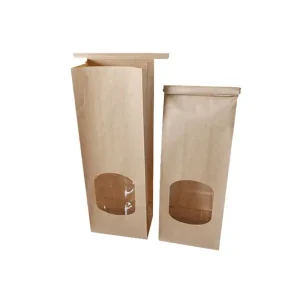
- Saco de papel impermeável e autovedante: Vencedor do cobiçado Prémio de Ouro para o Desenvolvimento do Potencial de Mercado nos World Packaging Awards 2025.
- Copos de papel revestidos sem PFAS: Proporciona um desempenho inigualável na barreira contra líquidos, sem deixar resíduos químicos.
- Artigos de mesa com revestimento em PHA: Copos, taças e baldes verdadeiramente biodegradáveis e com emissões de carbono ultrabaixas.
- Soluções de comércio eletrónico «Papel em vez de plástico»: Alternativas duradouras e de grande volume, concebidas especificamente para as indústrias globais do vestuário e da logística.
- Desempenho ESG transparente: No seu inovador Relatório de Sustentabilidade de 2026, a Nanwang revelou que 93,6% dos seus resíduos de fabrico não perigosos (que ultrapassam as 10 700 toneladas) são totalmente reciclados, mantendo ao mesmo tempo um historial impecável de zero infrações ambientais.
Conclusão: A escolha circular é clara
Com as regulamentações legais a tornarem-se cada vez mais rigorosas e as preferências dos consumidores a nível global a favorecerem fortemente a transparência ambiental, as embalagens de papel já não são apenas uma alternativa — são o caminho definitivo a seguir. Trata-se de uma solução comprovada, renovável, altamente escalável e com um desempenho cada vez melhor.
Para os retalhistas e operadores do setor da restauração modernos, o debate sobre as embalagens sustentáveis está encerrado. A questão já não é se deverias fazer a transição, mas quando e como. Apoiadas por uma infraestrutura de reciclagem global já consolidada, por tecnologias de barreira em rápida evolução e por parceiros de fabrico de classe mundial, como a Nanwang, as embalagens de papel estão oficialmente destinadas a tornar-se o padrão global indiscutível.
Procura soluções certificadas de embalagens de papel para o setor B2B?
Está pronto para alinhar a sua marca com os futuros requisitos da PPWR de 2026 e acelerar a sua transição para embalagens sustentáveis? Como líder de mercado fabricante grossista de sacos de papel ecológicos, A Nanwang fornece soluções OEM/ODM personalizadas e com certificação FSC para marcas globais dos setores do retalho e da restauração.